finance
Copenhagen Startups Navigate Funding Squeeze as Economic Headwinds Intensify
Entrepreneurs and investors in Copenhagen’s innovation hubs navigate rising uncertainties and tightened funding conditions in 2026.
How we reported this
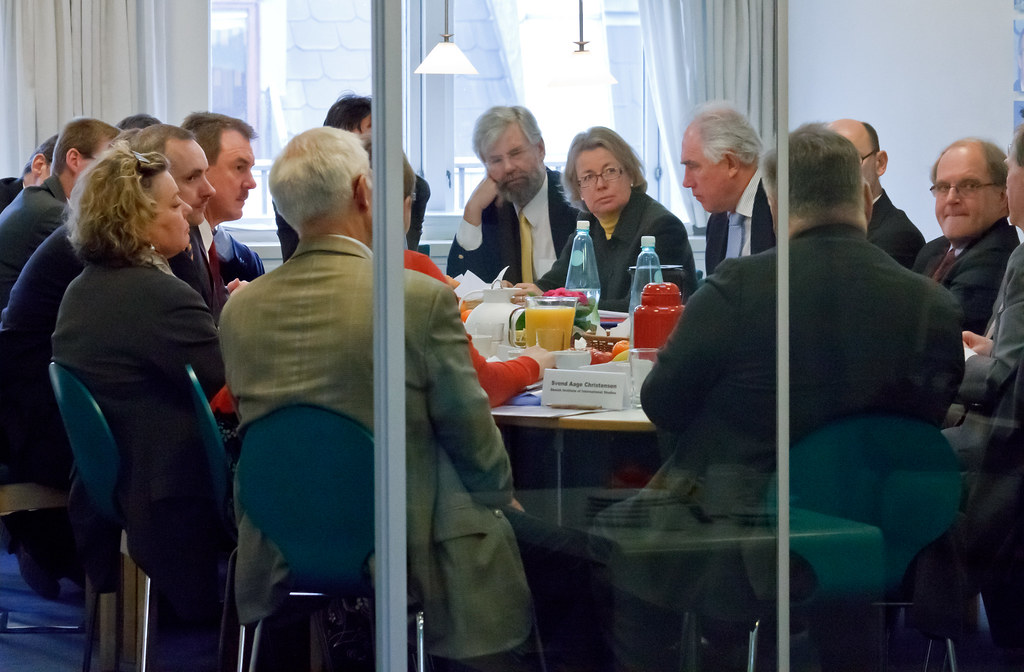
The startup and innovation sector in Copenhagen confronts a starkly difficult environment this year as global economic and geopolitical pressures ripple through local enterprises. Entrepreneurs report tighter capital flows and heightened market cautiousness as they try to scale amid uncertainty.
Why These Headwinds Matter Now
The ongoing geopolitical unrest has translated into economic volatility affecting capital markets worldwide. While no specific local funding figures or policy changes have been cited, the broader atmosphere of caution is palpable among investors and startup founders in Copenhagen. The city’s well-known innovation ecosystem, including hubs like BLOXHUB in the city’s Vesterbro district, has long been a magnet for tech startups and ventures seeking to capitalize on Denmark’s strong talent pool and supportive infrastructure.
However, the escalating geopolitical tensions impacting global trade routes and macroeconomic stability foster an environment where investment decisions are increasingly conservative. This trend influences not only early-stage startups but also scale-ups that rely on continued funding rounds to maintain growth trajectories.
Local Impact and Industry Responses
Within Copenhagen, innovation centres such as Symbion and the DTU Skylab maker’s space have observed a slowdown in new project launches and a more cautious stance in collaboration deals. Entrepreneurs acknowledge the compounded difficulty of securing venture capital as investors recalibrate risk assessments in the wake of rising global instability.
While specific data on funding volumes or startup performance metrics for Copenhagen in 2026 is unavailable, anecdotal evidence from founders and innovation managers suggests a noticeable contraction in both seed investments and strategic partnership activities compared to previous years. This trend compels startups to focus heavily on operational efficiencies and search for new business models resilient against external shocks.
Moreover, recent global events, including disruptions in key international shipping routes such as the closure of the Strait of Hormuz and regional military conflicts, contribute to jitters among tech companies engaged in hardware manufacturing and export-oriented services sectors based in Copenhagen.
Financial institutions and policy advocates in Denmark continue to monitor these developments closely but have not announced new incentive schemes specific to startups at this stage, compounding the sector’s challenges.
Looking ahead, Copenhagen’s innovation community is likely to double down on building sustainable local networks and exploring alternative funding models, such as partnership-driven pilot projects with established corporations. Founders are encouraged to prioritize business model adaptability and pursue diversified revenue streams to counterbalance uncertain external factors. Strengthening collaborations within the Nordic region and leveraging Copenhagen’s unique position as a green technology hub may provide vital lifelines.
This article is general information only and is not personal financial or investment advice. Consider your own circumstances and seek licensed professional advice before making financial decisions.