finance
Global Tensions Ripple Through Copenhagen’s Business Landscape
International conflicts and geopolitical shifts are influencing market confidence and trade dynamics for Copenhagen enterprises.
How we reported this
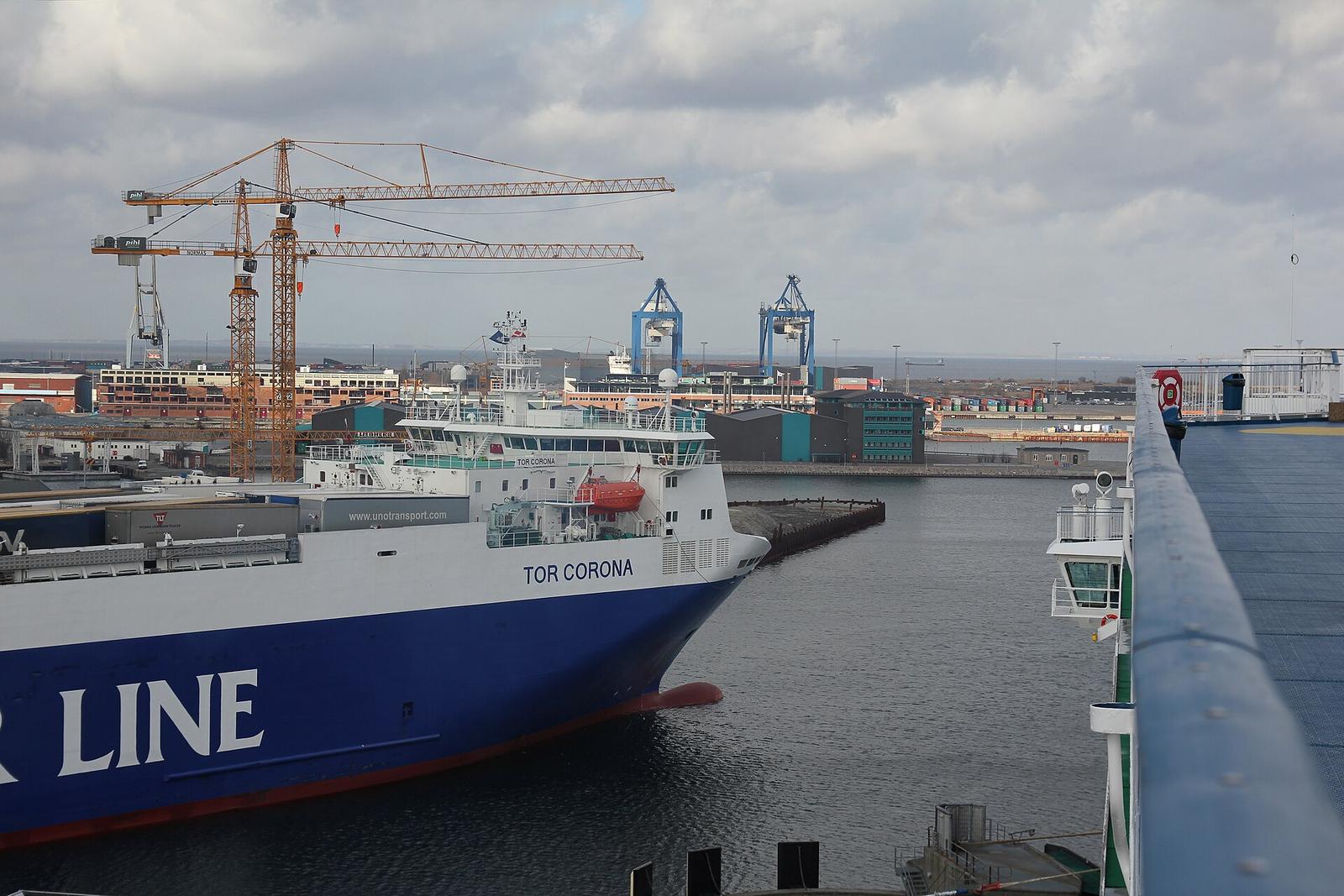
Businesses in Copenhagen are experiencing increased uncertainty as global geopolitical tensions, notably between the U.S. and Iran, edge toward renewed conflict, according to live updates from The New York Times covering events on July 13, 2026. This rising instability has begun to impact market confidence and supply chains critical to the local economy.
Why Global Tensions Matter to Copenhagen’s Economy
The prospect of escalating conflict in the Strait of Hormuz-a strategic maritime chokepoint referenced in the ongoing news coverage about U.S.-Iran hostilities-has sent ripples across global oil markets and international trade routes. For companies in Copenhagen that rely on steady imports and exports, such disruptions threaten operational continuity and increase costs. These risks arrive at a time when the city’s business community is already navigating a complex economic environment shaped by energy concerns and evolving international alliances.
Copenhagen plays a key role in Northern Europe’s logistics and trade frameworks, so global instability affecting shipping lanes and energy supplies hits home economically. Businesses ranging from manufacturers to retailers are adjusting to a landscape where supply chain disruptions are more frequent and fuel price volatility looms, impacting their margins and investment plans.
Local Impact and Business Sector Responses
While no specific numerical data on local market changes is currently available, the qualitative evidence points to cautious behavior in sectors dependent on global connectivity, such as the harbour-based import/export firms and manufacturing companies supplying European markets. The uncertainty surrounding energy routes and pricing creates a challenging environment for procurement and pricing strategies in Copenhagen. Companies in areas near the Port of Copenhagen and industrial zones are expected to monitor closely the developments in Middle Eastern geopolitics to manage risks effectively.
Financial institutions and business support organisations within Copenhagen are advising firms to build flexibility into contracts and diversification in supplier bases to mitigate risks from potential disruptions. As governments and multilateral agencies debate sanctions and diplomatic responses, Copenhagen’s business community is adapting their forecasts and contingency plans accordingly.
Looking forward, Copenhagen enterprises should focus on resilience strategies, including enhancing logistic capabilities and exploring alternative energy sources, to navigate the ongoing uncertainties. Staying informed via reliable international news sources and business councils can help local companies adjust to the evolving global conditions impacting their operations.
This article is general information only and is not personal financial or investment advice. Consider your own circumstances and seek licensed professional advice before making financial decisions.