culture
Museum of Copenhagen Reveals 1,000 Years of Viking to Modern History
The Museum of Copenhagen presents the Danish capital's development from a Viking settlement through centuries of change.
How we reported this
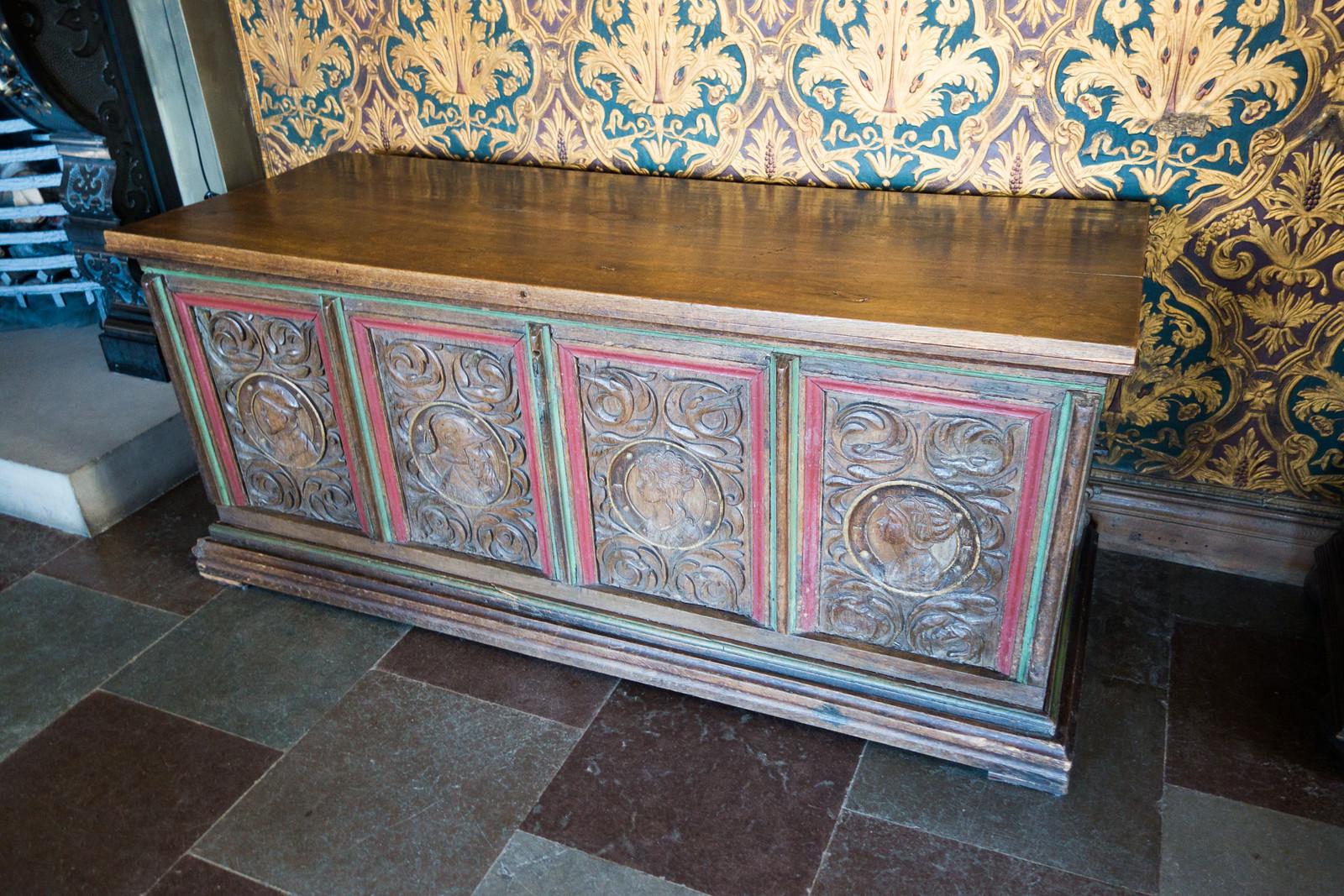
The Museum of Copenhagen serves as the city's dedicated local history museum, covering Copenhagen's history from prehistoric times to the present. Residents and visitors continue to engage with this institution to trace how the urban area took shape.
Early Settlement and Capital Status
Copenhagen originated as a 10th-century Viking fishing village called 'Havn' (harbor). Bishop Absalon fortified it with a castle in 1167, marking its transformation into a capital. In 1443, Copenhagen officially replaced Roskilde as the Danish capital and became known as the 'Royal City' starting in 1417. These milestones remain central to guided tours and exhibits that locals reference when discussing neighborhood identities.
Fires, Bombardment and Later Renewal
The city was ravaged by major fires in 1728 and 1795 that destroyed most of its medieval architecture, followed by a British naval bombardment in 1807 during the Napoleonic Wars. Accounts of these events appear regularly in museum displays and walking routes that connect surviving structures with the periods of rebuilding that followed.
Nyhavn's Dual Role in City Life
Nyhavn canal was dug in the early 1670s under King Christian V using Swedish prisoners of war. It was later transformed in the 1960s-1980s from a working harbor into a vibrant tourist destination. Many Copenhageners still use the canal area for daily walks while noting its shift from industrial function to public space.
These documented phases of growth, destruction and adaptation form the core of current conversations at the museum. The institution draws on its permanent collections to connect prehistoric traces with later royal, military and civic developments without requiring new announcements or events. People seeking a direct encounter with the material can visit the Museum of Copenhagen to review the same verified timeline of settlement, capital designation, fires, bombardment and canal construction.