lifestyle
Copenhagen Residents Transform Daily Routines With Movement and Recovery
From the bike lanes to the studio floor, here is how Copenhagen residents are integrating movement and recovery into their daily lives.
How we reported this
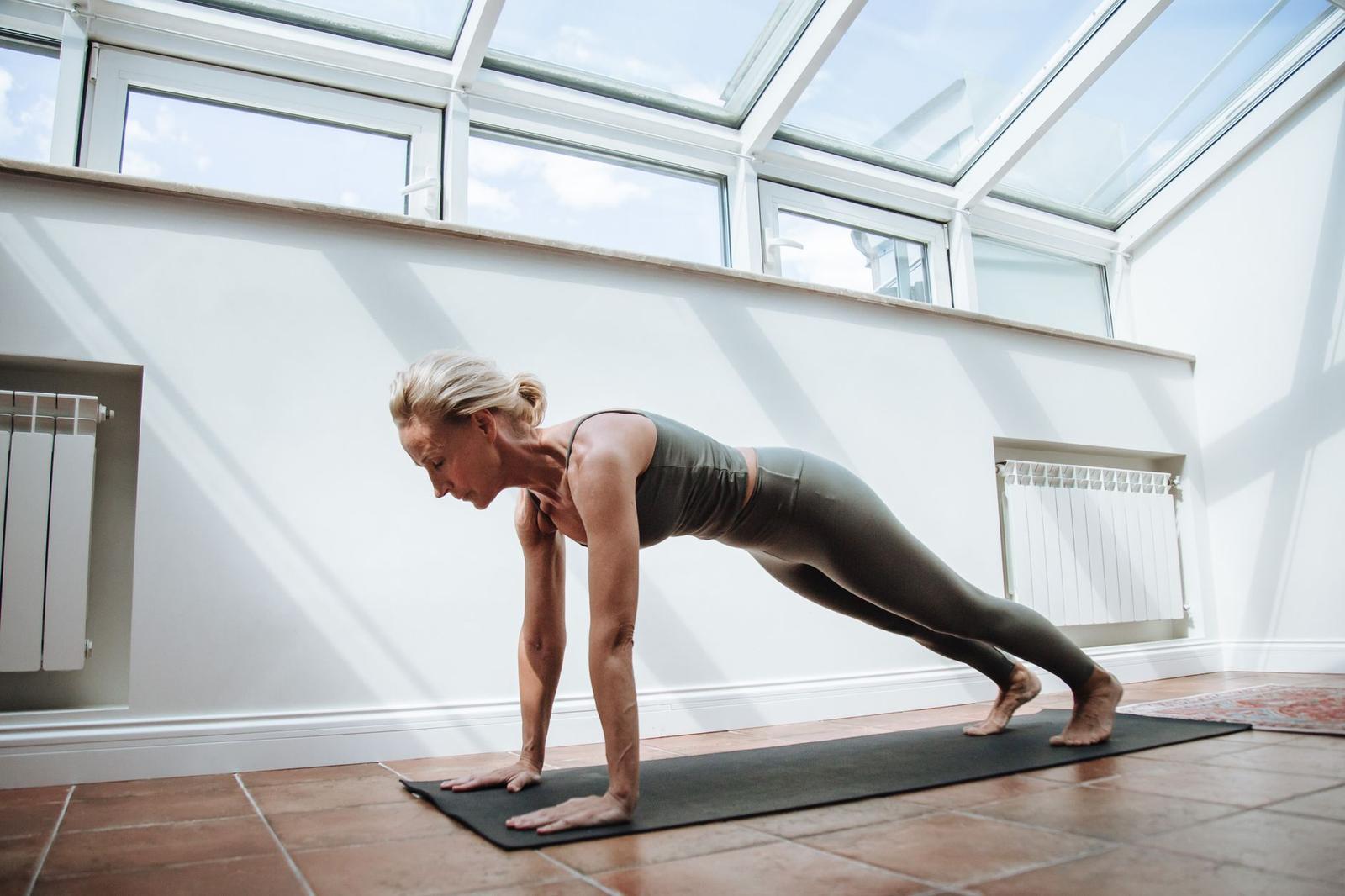
For many living in Copenhagen, staying active is not an afterthought but a fundamental component of the urban experience. As fitness trends continue to shift toward prioritizing health and bodily longevity, local residents are increasingly moving away from high-intensity stress in favor of methods that balance strength with recovery. Whether navigating the city by bicycle or participating in specialized studio classes, the focus has settled on sustainable habits that support a long-term approach to wellbeing.
The Role of Daily Commuting
Cycling is, and remains, the primary way that people in Copenhagen stay active. With 62% of the population cycling to work daily, the city’s infrastructure is explicitly designed to support this habit. A practical reflection of this commitment is seen in the city’s maintenance schedule: bike lanes are cleared before car lanes during winter snow, ensuring that active transit remains accessible throughout the year. For residents, this makes the daily commute a built-in, low-impact cardio session that integrates seamlessly into a busy schedule.
Current Trends in Studio Fitness
Beyond the bike lanes, the local fitness scene is defined by a shift toward low-intensity, high-effectiveness modalities. Pilates, barre, and functional strength training are recognized as the top trending styles, favored because they prioritize building strength without putting unnecessary strain on the body. This approach reflects a broader cultural move toward listening to the body’s needs. Increasingly, these physical practices are being complemented by dedicated recovery sessions, which include breathing exercises and mobility work as a natural, integrated part of a standard training routine.
Community and Hybrid Flexibility
For those looking to move beyond solo workouts, there is a marked preference for small group training. This shift is driven by a desire for community, external motivation, and that often-needed 'little extra push' that comes from training alongside others. This move toward social fitness exists alongside the popularity of hybrid training models. By utilizing a mix of studio classes and online training, residents are finding ways to exercise when and where it best suits their individual requirements, providing a flexible solution for maintaining consistency in an urban environment. These trends collectively represent a thoughtful evolution in how the city approaches personal health, favoring consistency, recovery, and community engagement over unsustainable intensity.