news
Copenhagen City Council: Insights from Officials and Experts on Key Urban Issues
City council members and local experts weigh in on Copenhagen’s ongoing challenges and opportunities for development.
How we reported this
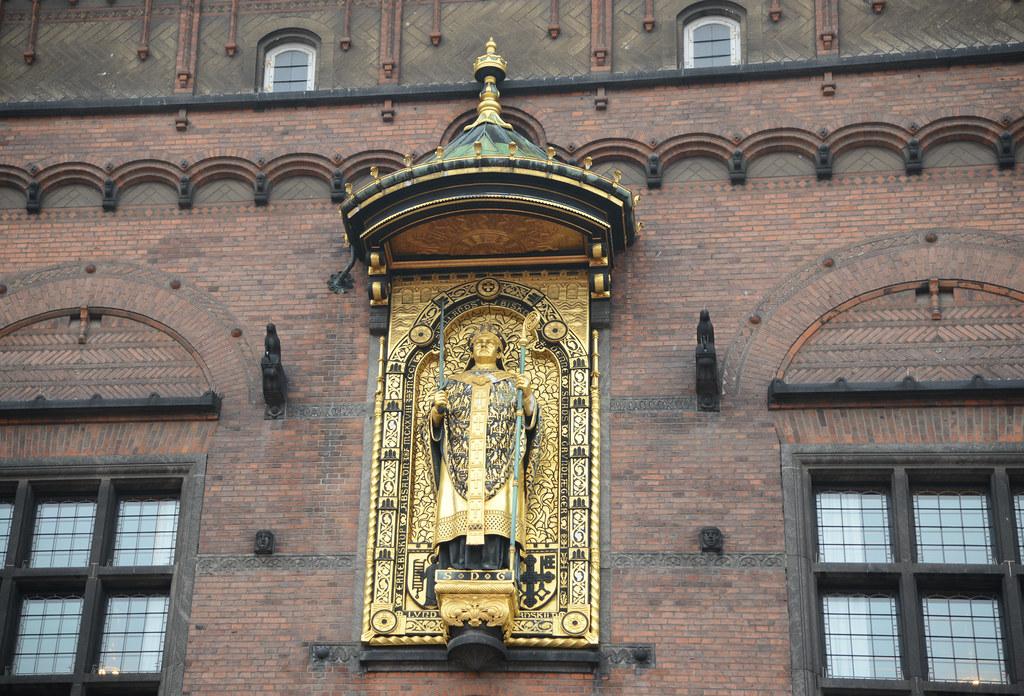
The Copenhagen City Council continues to engage local officials, experts, and key figures to address pressing issues shaping the city’s future. Discussions in recent sessions have centred on urban development, community engagement, and infrastructure resilience, reflecting the demands facing Denmark's capital amid growing environmental and social pressures.
Why the City Council Dialogue Matters Now
As Copenhagen experiences rapid urban growth alongside climate challenges common to northern European cities, officials have highlighted the urgency to balance expansion with sustainability. Council deliberations underscore the need for policies that ensure inclusive development while securing Copenhagen’s infrastructure against environmental threats.
These conversations take on additional weight given Denmark’s commitment to ambitious climate goals and Copenhagen’s position as a flagship Nordic city for innovation in urban planning. Experts participating in council forums stress the importance of adaptive strategies that reflect both local realities and broader European trends.
Local Perspectives and Practical Considerations
Within the city council, members representing diverse districts have emphasized the role of neighbourhood-level improvements. For example, representatives from areas like Vesterbro and Nørrebro have drawn attention to community-driven projects that aim to enhance public spaces and promote social cohesion.
Furthermore, notable input from urban development specialists points to initiatives focusing on green infrastructure, such as expanding bike lanes and enhancing stormwater management systems to mitigate flood risks-an issue increasingly relevant amid changing weather patterns in Copenhagen.
While the council has yet to release detailed statistics or concrete timelines publicly, these discussions suggest a qualitative approach prioritizing adaptable policies over fixed prescriptions. The emphasis is on implementing solutions informed by ongoing expert consultations and community feedback.
Looking ahead, residents and stakeholders can anticipate further council sessions dedicated to reviewing project proposals and refining strategies to tackle urban challenges. Community members interested in participating in local planning discussions are advised to monitor official Copenhagen municipal channels for opportunities to contribute feedback or attend public meetings.