news
Copenhagen Tackles Urban Mobility With Locally-Tailored Transport Strategy
The Danish capital’s tactics for managing traffic and mobility showcase a distinctive balance compared to other world cities.
How we reported this
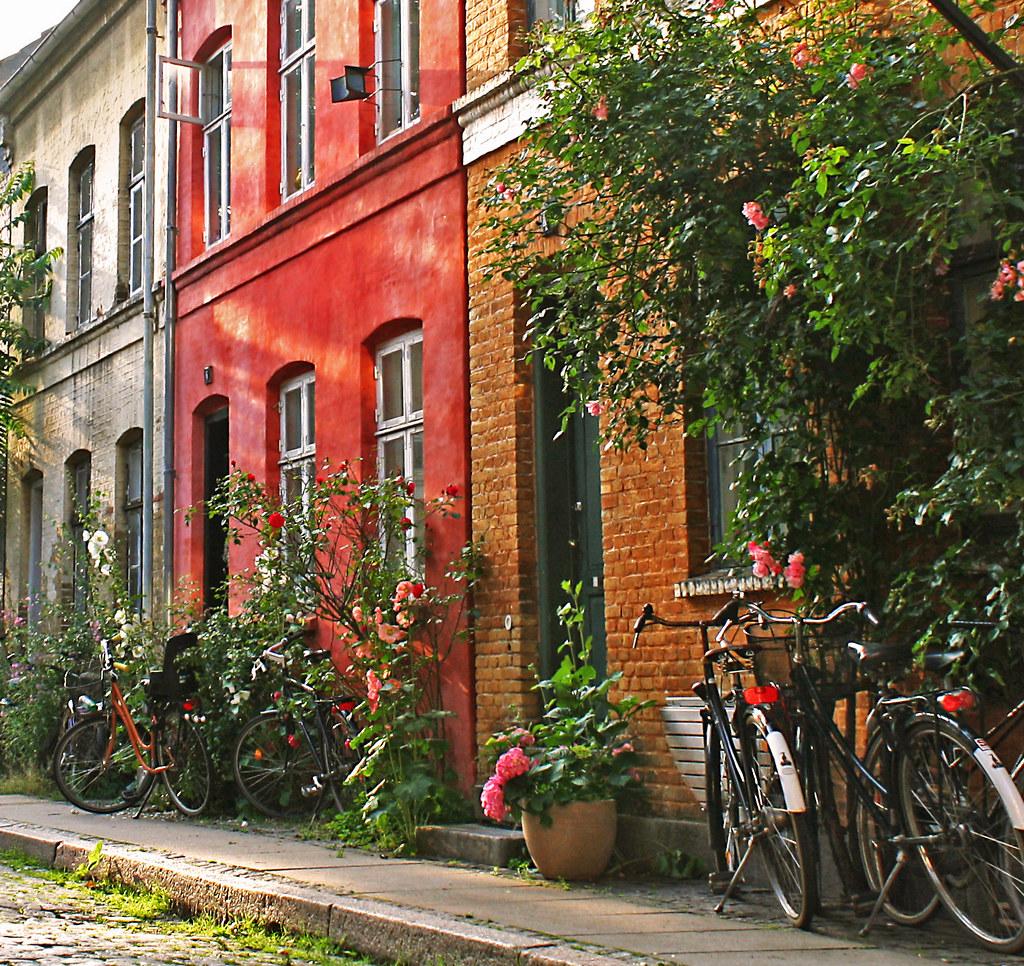
Copenhagen continues to prioritise sustainable transport solutions within its urban planning framework, tackling traffic congestion and mobility challenges differently than many large cities worldwide. Without the backing of specific new data or recent policy announcements, the city’s long-term focus on cycling infrastructure, pedestrian-friendly zones, and an integrated public transit network remains central to how it handles traffic compared with other global urban centres facing similar issues.
Context: Why Copenhagen’s Transport Model Matters Now
Urban transport is a persistent challenge for growing cities across the globe, where pressure on roads, environmental concerns, and the need for efficient public transportation are intensifying. Copenhagen's approach carries weight in this global debate due to its reputation as among the world's best cycling cities and a leader in sustainable urban mobility. While other cities face increasing congestion and pollution, Copenhagen's sustained investment in non-car modes of transport continues to register as an alternative model, especially as climate imperatives grow more urgent.
Local Priorities Reflecting Global Trends
The city’s focus on integrating cycling with public transit services echoes best practices observed internationally in cities striving for efficient mobility and environmental sustainability. Key corridors leading into and out of central Copenhagen, including Nørrebrogade and Østerbrogade, serve as prime examples where cycling infrastructure supports high volumes of daily commuters. Local programmes aimed at reducing car traffic in neighbourhoods such as Vesterbro promote mixed transport modes to decongest urban spaces. These efforts align with international initiatives that emphasise reduced car dependency in dense urban settings.
Copenhagen’s approach avoids large-scale road expansion projects common in other cities where population growth intensifies traffic woes. Instead, the city relies on a combination of active transport incentives and improving public transport reliability and coverage, including its metro and local rail services. This method acknowledges the trade-offs faced globally when urban space must be re-allocated from cars to other uses.
Though specific figures are not currently accessible through recent expert data or city announcements, qualitative assessments confirm Copenhagen’s reputation as a city where cycling accounts for a significant share of daily commutes, far outpacing many comparable international urban centres. This is not due to a single new intervention but a sustained policy environment supporting multimodal transport over decades.
Traffic patterns and public sentiment in Copenhagen continue to show strong support for transport policies prioritising safety and accessibility for pedestrians and cyclists. This consensus provides the city with political momentum rare in many other urban settings, contributing further to the coherence of its overall transport strategy.
Looking Ahead: What Residents and Visitors Should Expect
While Copenhagen’s transport infrastructure and policies remain under constant improvement, the city’s model suggests continued emphasis on cycling and public transit will remain a cornerstone. Commuters can expect persistent efforts to maintain high service standards for metro lines and bus routes, alongside incremental upgrades to cycling lanes and pedestrian zones. The city’s approach implicitly argues for slower traffic growth and discourages increased car usage through spatial and regulatory measures rather than outright bans.
For residents and visitors alike, Copenhagen’s model underlines the importance of versatile mobility options and urban designs that safely accommodate diverse transport modes. As cities worldwide grapple with traffic management dilemmas, Copenhagen offers a distinctly local yet globally relevant example by prioritising sustainable, shared transport systems embedded in everyday urban life.