news
Copenhagen Officials and Experts Weigh In on Transport and Traffic Challenges
City leaders and transport experts discuss ongoing traffic issues and future priorities for Copenhagen's mobility landscape.
How we reported this
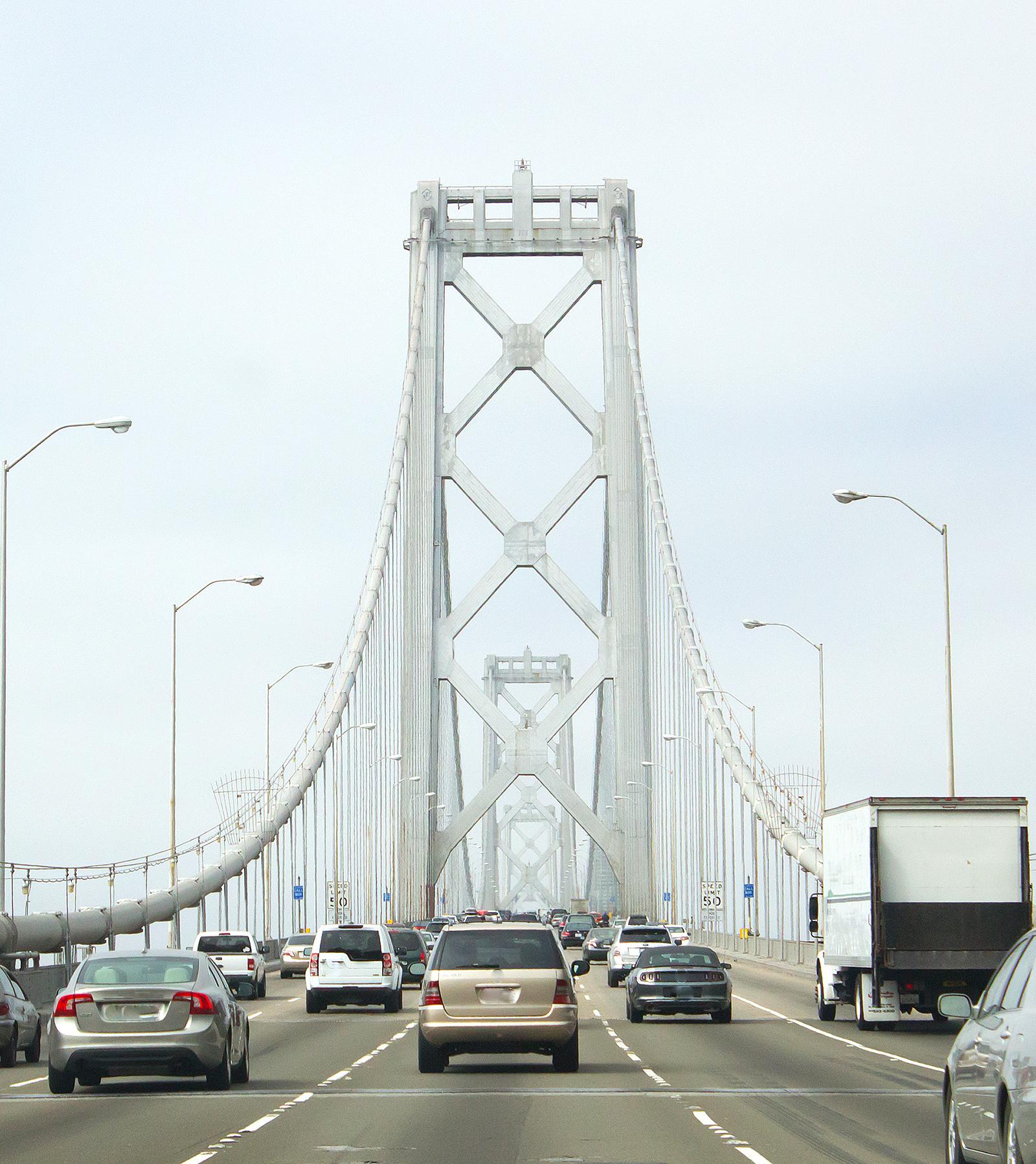
Copenhagen's officials and transport experts are actively discussing the city's evolving transport and traffic situation amid rising urban pressures. The dialogue has intensified as the city seeks balanced solutions to accommodate increasing mobility demands while maintaining sustainability goals.
Why This Matters Now
As one of Europe's leading cities in sustainable urban development, Copenhagen faces ongoing challenges related to traffic congestion and infrastructure capacity. Increasing population density and urban growth have caused traffic patterns to shift, raising concerns among city planners and residents alike. Addressing these issues now is crucial for ensuring the city continues to meet its environmental commitments and provides seamless mobility for commuters and visitors.
Insights from Local Leaders and Experts
City council members and transport planners emphasize the importance of prioritizing public transit expansion and enhancing cycling infrastructure to reduce car dependency. Copenhagen's extensive network of bike lanes has made cycling the dominant mode of transport, but officials note that more investment is needed to manage peak-hour traffic and improve connectivity in outer districts.
Experts from local universities and transport research organizations highlight the need for data-driven approaches to traffic management. They recommend integrating smart traffic signals and advancing real-time monitoring systems to optimize flow and reduce bottlenecks in key arteries such as H.C. Andersens Boulevard and Vesterbrogade.
The city's growing focus on multimodal transport solutions aims to connect bus, metro, and regional train networks more effectively, addressing current gaps that sometimes result in longer travel times or overcrowding. Engaging with community stakeholders remains a priority to ensure that changes reflect residents' needs and encourage sustainable travel choices.
Looking Ahead and Practical Considerations
While Copenhagen charts its path forward, officials encourage commuters to stay informed about upcoming traffic adjustments and public transport service updates through official channels. Residents are also urged to consider alternatives to private car use during peak hours and participate in public consultations that shape transport policies.
The city’s approach underscores a commitment to balancing urban growth with environmental stewardship and livability, recognizing that collaborative efforts between policymakers, experts, and citizens will be essential to creating a resilient and efficient transport system.