news
Copenhagen Officials Reveal Traffic Solutions in New Transport Strategy
City officials and transport experts weigh in on Copenhagen’s traffic challenges and future plans.
How we reported this
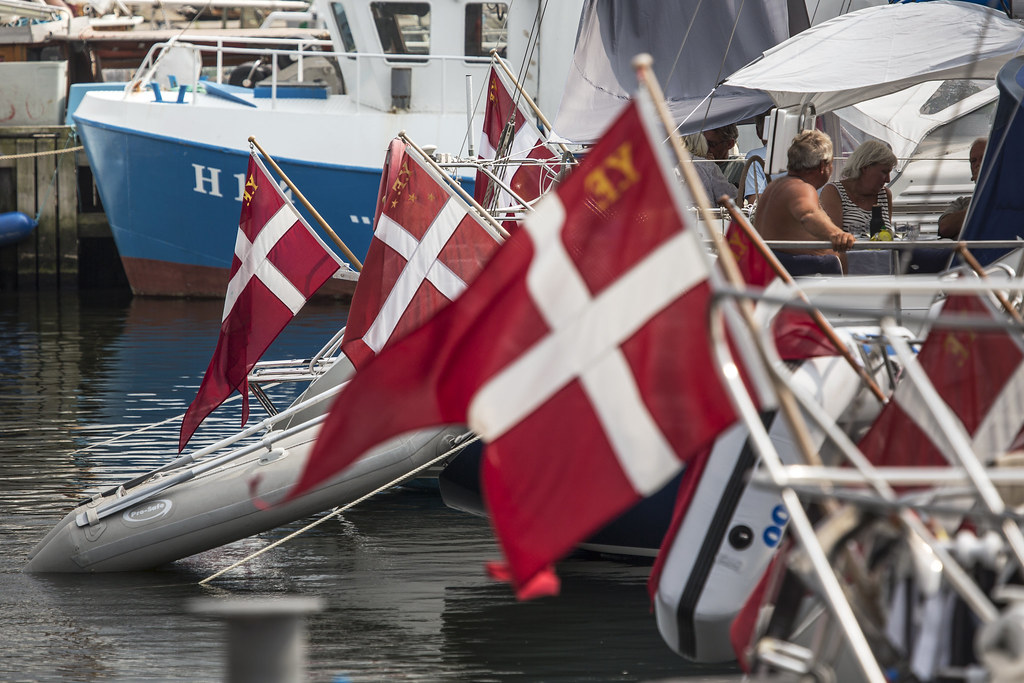
Copenhagen is grappling with ongoing challenges in transport and traffic management, prompting local officials and experts to discuss solutions addressing congestion, public transit efficiency, and urban mobility. Key figures emphasize the need for integrated approaches that balance environmental goals with practical commuting needs.
Why Transport Matters More Than Ever
As Copenhagen continues growing, the strain on its transport infrastructure becomes more pronounced. The interplay between increasing population density and the city’s commitment to sustainable urban living heightens the urgency of addressing traffic congestion and improving transport networks. This moment demands thoughtful policies that embrace innovation while maintaining Copenhagen’s reputation as a city prioritizing green and efficient travel.
Voices from the Field and City Hall
Local transport officials highlight projects aiming to enhance bicycle infrastructure and public transit capacity, confirming existing strategies need refinement to meet rising demand. Experts in urban mobility point out that while cycling remains a strong pillar of Copenhagen’s transport culture, integration with buses and metro services is crucial to reduce car dependency in key districts.
Stakeholders stress that areas such as Frederiksberg and Vesterbro, known for heavy commuter traffic, require targeted interventions beyond general citywide plans. Organisations involved in traffic safety advocate for better pedestrian crossings and smarter traffic light management on major thoroughfares like Nørrebrogade, citing the need for realistic steps to boost safety alongside easing congestion.
These discussions are shaped against Copenhagen’s broader agendas on climate action and quality of life, where transport plays a critical role in reducing emissions and promoting healthier lifestyles. The consensus is that no single solution will suffice; efforts must combine infrastructure upgrades, technological innovation, and behavioral incentives.
Though specific statistics or new policy mandates are not currently available, the tenor from officials and experts alike is a clear signal of responsive, ongoing evaluation and adjustment. They emphasize transparent dialogue and community engagement in shaping Copenhagen’s sustainable mobility future.
For commuters navigating the city today, practical advice focuses on using multimodal transport options and remaining aware of event-driven traffic changes around central hubs. Monitoring updates from Copenhagen’s traffic management services can help residents plan trips with minimal delays as gradual improvements unfold.