news
Copenhagen Officials Face Critical Transport Decisions Amid Growing Demand
City officials and planners face critical choices as Copenhagen grapples with evolving transport and traffic demands.
How we reported this
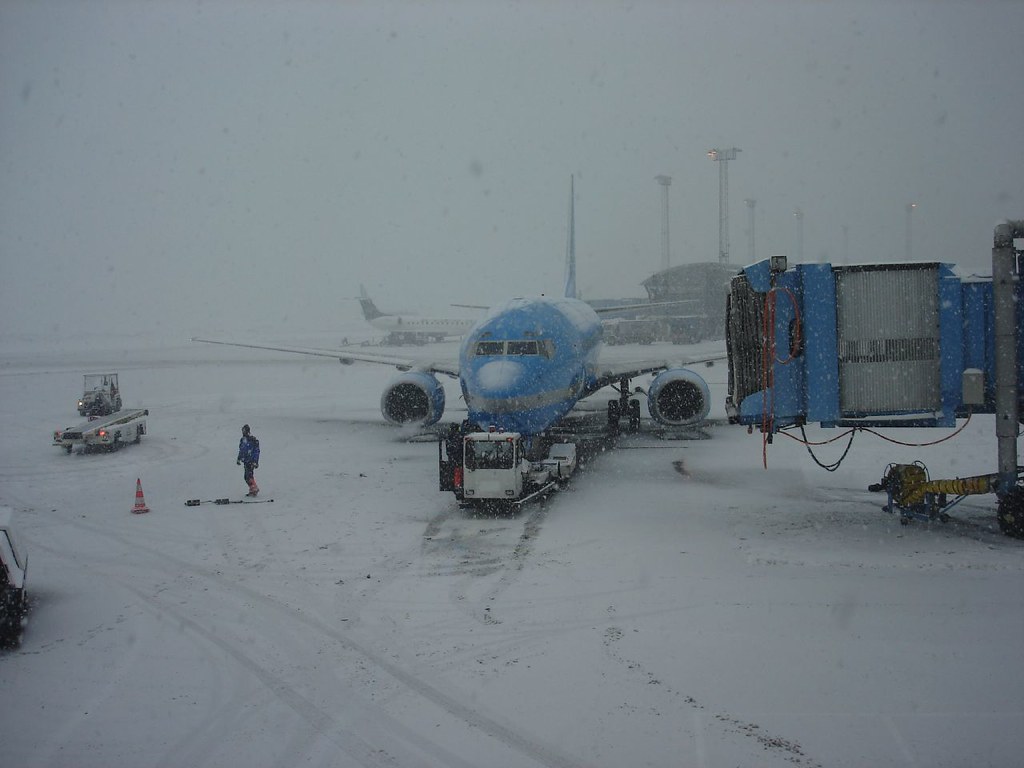
Copenhagen stands at a crossroads in managing its transport and traffic systems, with vital decisions pending that will shape its future mobility landscape. As urban growth and changing travel patterns press on infrastructure, how the city navigates upcoming policy and planning choices will impact daily commutes and long-term sustainability.
Urgency Builds in Transport Planning
The significance of these decisions emerges from shifting demands in Copenhagen’s transport network. Increased urban density and evolving commuting habits following wider societal changes have amplified pressures on roadways and public transit. City leaders and transport authorities are thus compelled to prioritize projects and reforms that address congestion, environmental targets, and accessibility.
Localised traffic bottlenecks and debates over infrastructure investments highlight the challenges. Communities across districts like Nørrebro and Vesterbro report peak-hour gridlocks, while cycling infrastructure expansion remains a contentious topic amidst competing spatial demands. The city’s integrated transport planning efforts seek to balance efficiency with quality of life and urban green space preservation.
Decisions Ahead: Funding, Infrastructure, and Policy Direction
While no recent announcements provide hard figures or scheduled timelines, qualitatively, several strategic issues dominate discussions among city planners and policymakers. These include prioritizing sustainable mobility options such as expanding cycling routes and enhancing public transit reliability. Decisions over the allocation of budgets, coordination between state and municipal agencies, and public engagement processes will be critical.
Equally important is how Copenhagen addresses traffic demand management measures, including potential regulation of car use in dense central zones. Emerging technologies and data-driven traffic monitoring also present opportunities, but require clear policy frameworks to be effectively implemented.
For Copenhageners, the coming months will likely see consultations and proposals released, with calls for community input on transport initiatives. Residents and commuters are advised to stay informed through municipal channels and participate in public forums. Adapting travel habits in anticipation of infrastructure changes-such as shifts to cycling or public transit-may become necessary as new measures roll out.
In sum, Copenhagen’s transport and traffic situation is entering a decisive phase that demands coordinated action and forward-looking planning. The city’s ability to make balanced, sustainable transport choices now will influence urban mobility and quality of life for many years to come.