news
Copenhagen’s New Housing and Transport Plans: Key Decisions Ahead
The city's updated policies and infrastructure projects set the stage for upcoming debates on housing mix, metro expansion, and environmental measures.
How we reported this
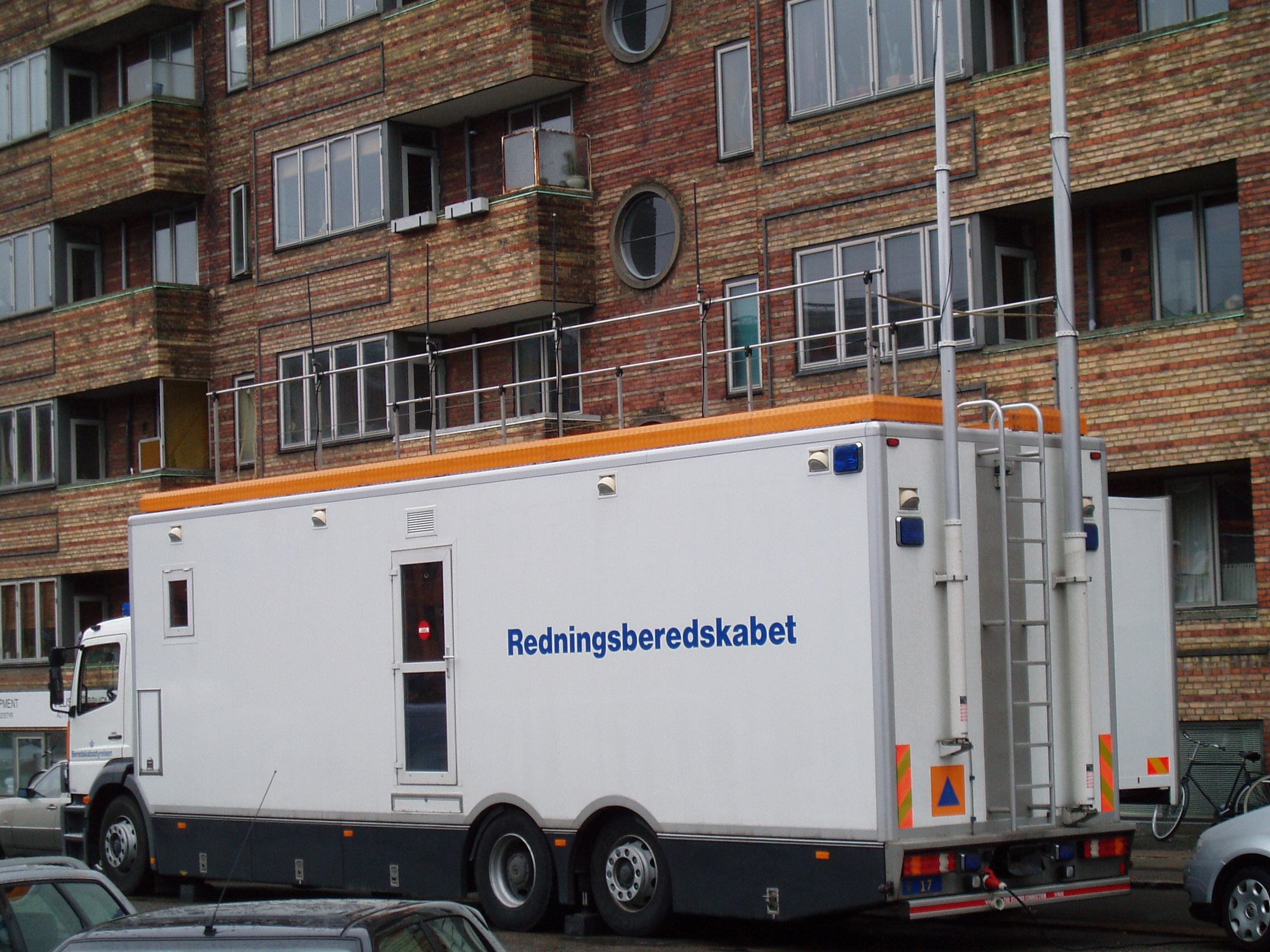
Copenhagen’s local government is gearing up to implement major decisions following the new national government platform unveiled in 2026. Authorities now have the authority to require up to 40% owner-occupied and 40% social housing in local development plans for Copenhagen and Frederiksberg, a significant shift aimed at reshaping the city's housing landscape and tackling affordability challenges. Alongside this, discussions about expanding the metro network, including the planned M5 line, and introducing new transport and environmental measures are on the horizon.
The timing of these decisions is critical. Copenhagen’s population growth and urban sprawl continue to place pressure on housing availability and infrastructure capacity. City officials must balance creating inclusive communities with managing transit demands and environmental sustainability. The inclusion of a distinct housing strategy for Copenhagen and Frederiksberg in the government's platform underscores the centrality of housing policy to local governance and urban planning for the capital.
Housing Mix Targets Shape Future Developments
The new government platform explicitly allows Copenhagen and Frederiksberg to mandate that new local plans contain up to 40% owner-occupied units and 40% social housing where feasible. This legal backing fundamentally shifts how neighborhoods can be designed, with implications for developers, residents, and housing advocates alike. The precise implementation details-how and where these mixed-model requirements will apply-remain to be finalized by the city council and planning authorities.
Integrating owner-occupied and social housing aims to foster socio-economic diversity and mitigate gentrification pressures. City planners are expected to engage with developers to ensure upcoming projects along the metro expansion corridors and in key growth areas meet these quotas. This move is part of a broader rethink of the post-war 'Finger Plan' metropolitan development blueprint, which Copenhagen is currently updating to better balance growth between urban and rural zones.
Transport Upgrades and Environmental Fees in Focus
The infrastructure agenda is dominated by the new metro M5 line, planned to ease passenger congestion on existing lines. While specifics on the further metro expansions and their funding are not yet detailed, the government’s commitment to build on the planned expansions signals continued investment in improving transit accessibility across Copenhagen.
Besides metro enhancements, the local platform proposes novel initiatives such as a passenger fee for cruise ship visitors, a new commuter tax deduction designed to favour cyclists, and measures targeting pollution from Copenhagen Airport impacting adjacent neighborhoods. These steps indicate a multi-pronged approach to transport challenges and environmental impacts, signaling that policymakers value integrated solutions covering mobility, air quality, and community well-being.
Earlier funding allocations toward refurbishing S-train stations under the Infrastructure Plan 2035 will support emissions reduction goals by improving station facilities and encouraging public transit use. This plan, confirmed in 2023, aligns with Denmark’s broader climate targets and Copenhagen’s ambition to lead in sustainable urban transport.
Local authorities are expected to consult residents and stakeholders as the plans transition from broad commitments into actionable policies. The fine print of how passenger fees are structured, or how the commuting deduction will be administered, will emerge in upcoming city council sessions and public hearings.
The Road Ahead: Implementation and Community Impact
In the coming months and years, Copenhagen’s municipal government faces critical choices in translating the national platform’s provisions into concrete programs and regulations. The city must define zoning rules that balance housing quota mandates with market realities, guiding private and social housing construction in targeted neighborhoods.
Simultaneously, investment plans for the metro line M5 and further lines will require detailed financing schemes and construction timelines yet to be disclosed. The administration will also need to clarify the framework for the new environmental and transport fees, balancing revenue needs against community acceptance and sector impacts.
For Copenhagen residents and businesses, these developments signal potential shifts in housing availability and affordability, transit options, and local environmental quality. Proactive engagement with forthcoming consultations and planning documents will be crucial for stakeholders seeking to influence the city’s future urban fabric.
In summary, the key decisions ahead revolve around operationalizing the government’s housing target provisions, advancing metro expansion schemes, and implementing new environmental policies. Each of these requires careful policy design, funding allocation, and community dialogue to realize Copenhagen's strategic growth and sustainability goals.