Politics
Copenhagen Expands Public Transit, But Some Neighborhoods Miss First Phase
Expanded transit routes and infrastructure upgrades are set to reshape commutes in central and outer Copenhagen, though not all neighbourhoods will see the same benefit in the first stage.
How we reported this
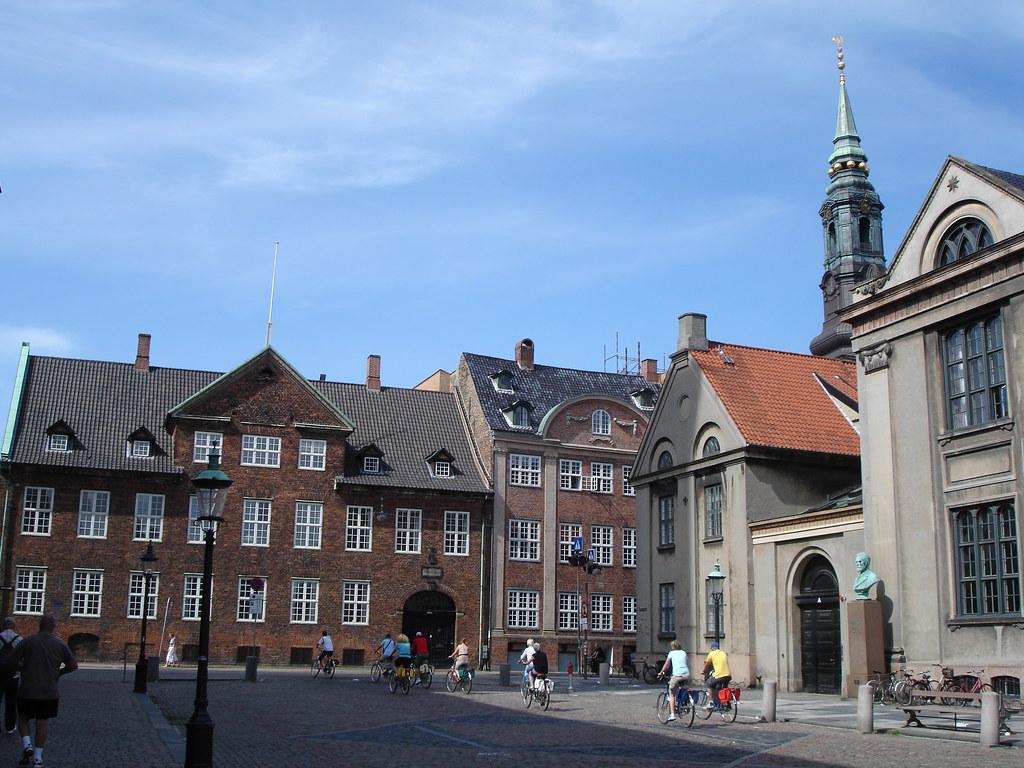
Copenhagen’s latest transport infrastructure programme will see new metro lines, bus rapid transit corridors and bicycle highways rolled out in selected city districts, with a focus on connecting major employment hubs and reducing road congestion. The municipal government says the scheme will prioritise inner city neighbourhoods and routes between Vesterbro, Nørrebro, Østerbro and Amager, while projects in some suburban and outlying areas have been deferred or set for later planning stages.
Why Now: Addressing Congestion and Access
This policy change comes as transport usage in Copenhagen continues to grow, with traffic data from the City’s Technical and Environmental Administration indicating rising commuter demand following several years of population growth. Urban planners say that without additional capacity and investment in public networks, travel times could increase and existing bottlenecks on major routes would worsen, especially at peak hours. The city is also under pressure to meet its stated climate goals, which depend partly on shifting more residents from private cars to low-emission public or active transport modes.
Winners and Missed Connections
For residents along the new metro expansions and bus corridors, daily commutes could become quicker and more reliable. Those living in the central districts targeted for the first tranche of bike highway investment will see upgraded cycling infrastructure, better lighting and safer crossings, which cycling advocates note could encourage broader use among schoolchildren and elderly residents. However, neighbourhoods in the outer western and northern fringes, including parts of Brønshøj and Nordvest, are not included in the initial roll-out. Community associations in those areas have pointed out that improvements could take several more years to materialise, meaning residents may not experience shorter travel times or new transit options until after 2028, when further funding is expected to be reviewed.
Budget documents published in June 2026 by the City of Copenhagen allocate more than DKK 2 billion to the transport infrastructure package for the next four years, with a stated priority on routes serving major employment zones, educational institutions and areas where transit demand has outstripped supply. Policy analysts say this focus aims to maximise ridership and reduce carbon emissions, but that it inherently leaves less densely populated areas waiting longer for upgrades. The municipal government states that future stages will be subject to public consultation and independent review, with local needs taken into account in project sequencing.
Residents and businesses in the first-stage upgrade areas can expect initial construction and service changes from the end of 2026, pending final permitting and tendering. The city’s planning office has said that monthly information sessions and online project updates will be provided for affected areas. Outlying districts can participate in the upcoming annual budget feedback process, where priorities for later stages will be debated. City officials have emphasised that the long-term goal remains full network integration, but warn that the pace of delivery will depend on future funding agreements and technical studies.