Politics
Copenhagen Requires 25% Affordable Housing in All New Residential Projects
The city's updated affordable housing quota will require 25 percent of new residential projects to remain below market rent, affecting where thousands of residents can afford to live over the next five years.
How we reported this
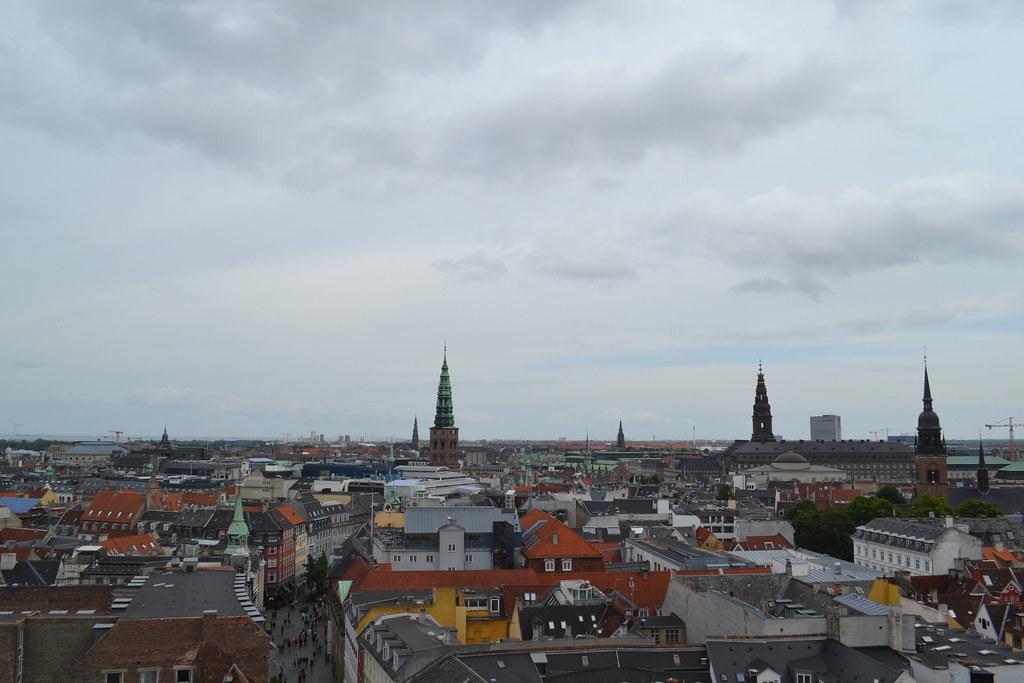
Copenhagen's municipal government approved a revised housing allocation policy on Wednesday that mandates developers include a higher share of affordable units in new residential construction across all five boroughs. The change, effective immediately for projects issued permits after July 15, raises the required percentage of units kept below market rates from 20 percent to 25 percent in developments of 50 units or more.
The policy adjustment comes as Copenhagen residents face monthly rents averaging 14,200 kroner for a two-bedroom apartment in central zones, up 31 percent since 2021. Local housing advocates have repeatedly flagged the city's rental shortage as a barrier for workers in health care, education and retail sectors who commute daily but cannot afford neighbourhoods within 25 kilometres of employment hubs. The Frederiksberg and Nørrebro districts have seen the sharpest rent increases, with some landlords advertising three-bedroom flats above 18,000 kroner monthly.
What Changes for Residents and Developers
Under the new rules, a 120-unit apartment complex in Vesterbro must now set aside 30 units for households earning up to 60 percent of the area's median income, compared to 24 units under the previous framework. The city government says this expected to add roughly 480 affordable units annually across permitted projects through 2030. Residents qualifying for these slots typically earn between 250,000 and 380,000 kroner yearly, depending on family size.
Developers must price these units 18 to 22 percent below comparable market rents and maintain that pricing for 30 years, according to the policy document filed with the Planning and Environment Committee on July 9. The city will cover a portion of the revenue shortfall through a dedicated housing fund financed by property tax adjustments on commercial real estate valued above 25 million kroner. Early projections suggest this will generate approximately 340 million kroner over four years.
Timeline and Next Steps
The policy applies only to new projects with approved building permits dated after July 15, meaning existing developments under construction continue under previous requirements. However, planners note that approximately 4,200 residential units are currently in the approval pipeline across the five boroughs, meaning the bulk of new supply will operate under the 25 percent threshold. City housing officials will begin accepting applications for affordable units in autumn 2027, once the first qualifying buildings reach occupancy.
Developers have until September 30 to submit revised project plans if they wish to restructure existing permits to comply with the new standard. The municipality estimates that roughly half of active projects will seek modifications. A spokesperson for the Development and Construction Authority declined to comment on potential delays or cost impacts, stating the assessment period remains open for public consultation until August 22.
Residents currently on the city's housing waiting list, which stands at 8,340 applicants as of June 2026, will not gain immediate access to these units but may qualify during annual allocation rounds beginning next year. Priority goes to households displaced by renovation, families with children, and workers employed in designated essential services including nursing, primary education and municipal transport.