Politics
Copenhagen Mandates 40% Owner-Occupied, 40% Social Housing in New Plans
New local plans in Copenhagen and Frederiksberg can require up to 40 percent owner-occupied and 40 percent social housing while transport measures address daily commuting and airport neighbors.
How we reported this
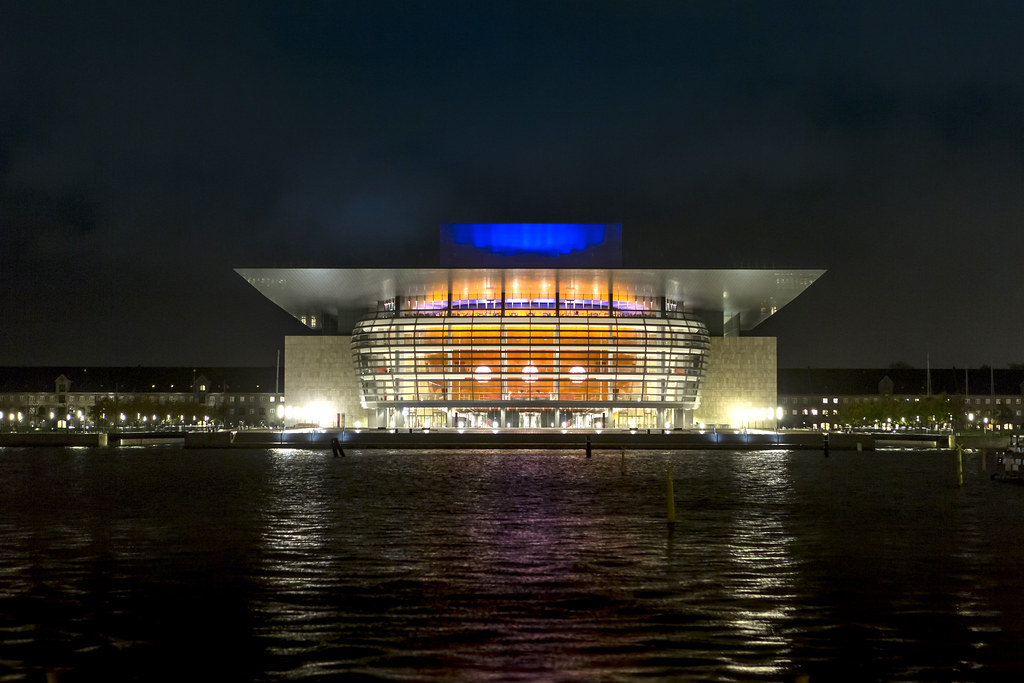
Denmark's new government platform for 2026 introduces a separate housing policy for Copenhagen and Frederiksberg that lets local plans require up to 40 percent owner-occupied housing and 40 percent social housing in new developments. The same platform commits to metro expansions including the new M5 line intended to ease pressure on existing lines. These steps directly shape where residents live and how they travel within the city.
Housing requirements and daily living costs
The housing provisions apply specifically to new local plans in Copenhagen and Frederiksberg. Residents seeking owner-occupied homes or social housing may see more of both types included in future projects. The measures tie into Copenhagen's update of the Finger Plan, the metropolitan development model in place since 1947, which now aims to balance city growth with surrounding countryside needs.
Transport changes listed in the platform include a proposed passenger fee for cruise guests, a special commuting deduction for cyclists, and steps to lower pollution impacts for neighbors of Copenhagen Airport. These target services used regularly by Copenhagen residents who commute by bike or live near the airport. Additional funding earmarked in 2023 supports refurbishment of S-train stations in Copenhagen under the national Infrastructure Plan 2035, which focuses on cutting transport emissions.
Next steps for residents and services
The government states that the M5 line and other expansions will build on current metro plans, though details on further lines and funding remain undefined. Residents of Copenhagen can expect these policies to influence housing availability and transport options through updates to local plans and the Finger Plan. Implementation will occur through existing municipal processes without a fixed public timeline announced in the platform documents.
Community services such as cycling infrastructure, airport-area environmental measures, and S-train station upgrades connect directly to daily routines for people living and working in Copenhagen. The 2023 funding allocation for S-train stations forms part of the broader Infrastructure Plan 2035 efforts to reduce emissions affecting local transport users.