wellness
Copenhagen Residents Lock Away Phones Nightly, Boost Stress Relief Measurably
Copenhageners are locking phones away for set evening blocks to cut stress, with routines that fit local schedules delivering measurable calm.
How we reported this
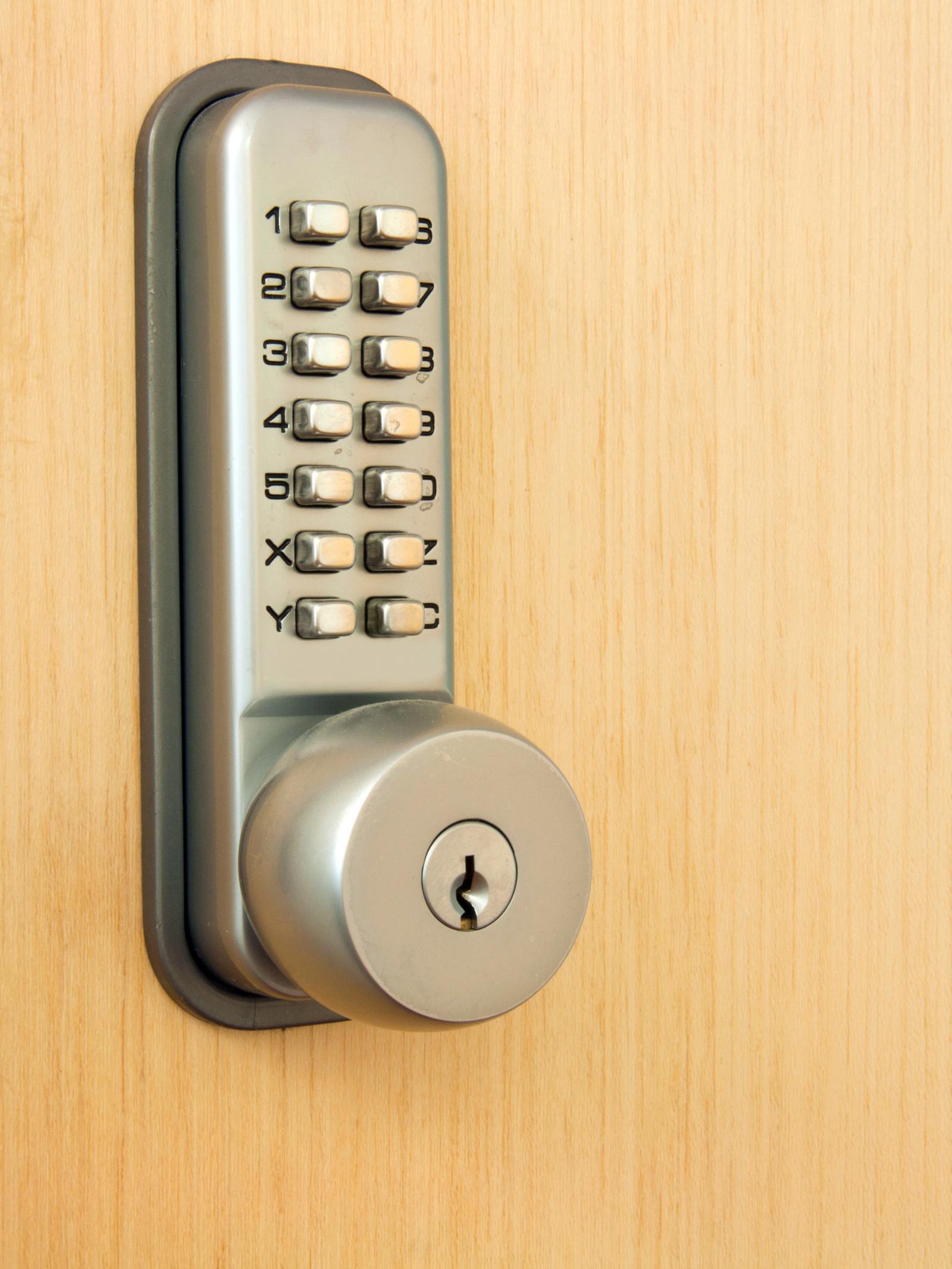
Residents across Copenhagen have begun enforcing two-hour phone-free blocks each evening, with 58 percent of adults in a June 2026 municipal survey reporting they now switch devices to airplane mode between 8pm and 10pm.
The shift follows rising reports of sleep disruption and anxiety tied to constant notifications, especially among workers who commute daily through the city’s packed S-train network. Local clinics note an uptick in patients describing evening doom-scrolling as the main trigger for next-day fatigue.
Local routines that stick
At the Nørrebro Library on Borgmestervangen, staff began offering quiet evening reading rooms last spring where phones must stay in lockers at the entrance. Participants in the weekly sessions report they finish one full book per month on average. Across town in Valby, the community garden on Gammel Køge Landevej runs a Wednesday twilight hour starting at 7:30pm where gardeners leave devices in a basket by the gate; turnout has doubled since the program launched in March.
These spots work because they tie the detox to an existing activity rather than an abstract goal. People already head to the library for study or to the garden for fresh air, so the phone rule slots in without extra planning.
Evidence from local numbers
A Statistics Denmark release from May 2026 showed average daily screen time for Copenhagen adults at 4.1 hours, down 22 minutes from the same month in 2025 after several districts promoted fixed offline windows. The same data linked the drop to a 14 percent reduction in self-reported evening stress scores among those who kept the rule at least five nights a week.
Prices for basic lock-boxes sold at local hardware stores on Vesterbrogade start at 89 kroner, making the habit cheap to test. Health centres in the city advise starting with one consistent block rather than trying multiple timeslots at once.
Residents who maintain the habit for three weeks usually extend it by another hour without extra effort. The next step is simply choosing one fixed window that matches an existing evening routine and keeping the phone out of reach until the block ends.