lifestyle
What Copenhagen's Lifers Actually Eat, Buy and Do When the Summer Heat Hits
Locals share their unfiltered July survival guide—from hidden lunch spots to how they dodge the tourist crush.
4 min read
lifestyle
Locals share their unfiltered July survival guide—from hidden lunch spots to how they dodge the tourist crush.
4 min read
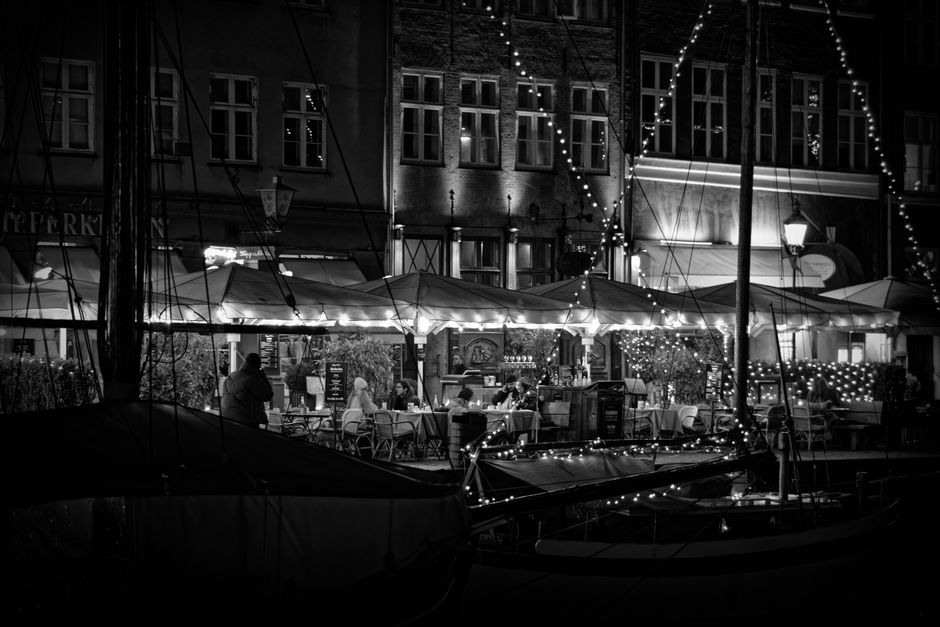
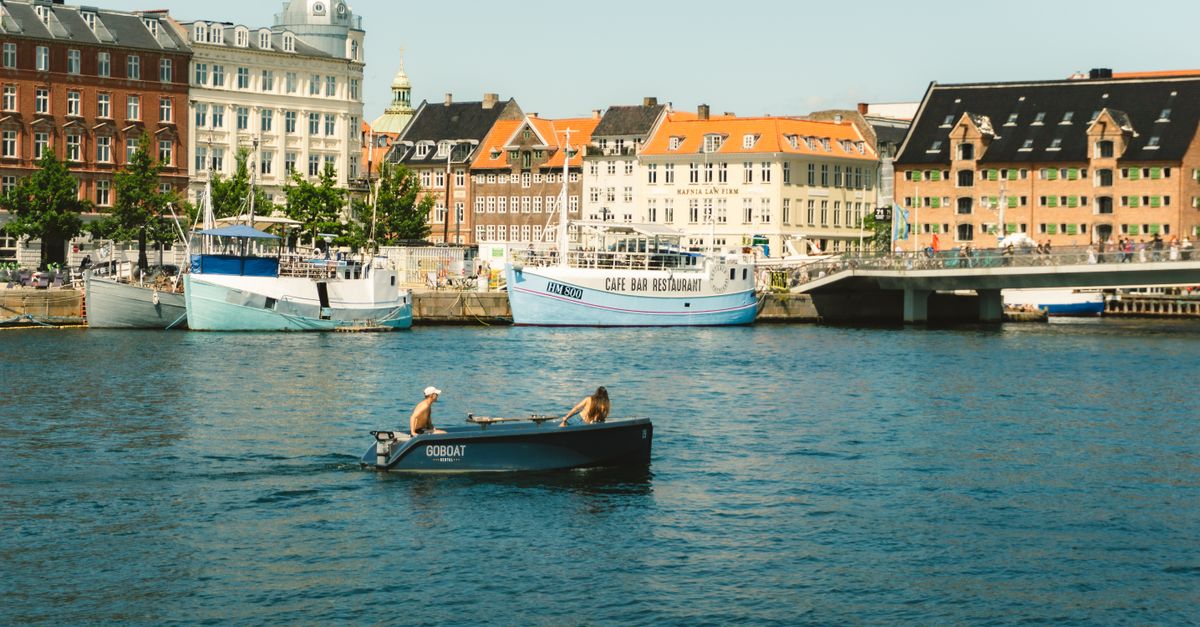
July in Copenhagen means two things: temperatures that rival southern Europe and restaurants packed with visitors ordering the same ten dishes. Long-time residents have learned to navigate both. They've abandoned Nyhavn for neighbourhood spots that serve proper food, shifted their shopping habits around the chaos, and built routines that keep life functional when the city feels overrun.
The timing matters this year. Europe's summer has already turned brutal—France recorded over 2,000 excess deaths during its recent heatwave, and Copenhagen's own heat forecasts suggest similar stress on the city's infrastructure. Locals are adjusting their routines earlier than usual, moving outdoor activities to early mornings, staying hydrated, and frankly, rethinking which parts of their beloved city remain liveable when 40,000 cruise ship passengers dock on any given Thursday.
Forget Tivoli Gardens' overpriced smørrebrød stands. People who live on Østerbrogade—one of Copenhagen's longest and most residential streets stretching from the city centre through Nørrebro—know the real moves. Baresso Coffee on Rantzausgade, just off the main thoroughfare, opens at 7 a.m. and serves espresso that doesn't taste like it was pulled through a radiator. The lunch crowd from nearby offices keeps quality standards honest. Expect to pay 55 kroner for a decent cappuccino, which locals accept as Copenhagen's tax on decent coffee.
For actual meals, residents working near Christianshavn have migrated toward small canteens rather than sit-down restaurants during summer. Picnic culture peaks in July. Supermarketbrød, the city's chain of organic bakery-cafés with five locations including one on Vesterbrogade, sells ready-made salads, cheeses, and bread that people genuinely eat rather than Instagram. A full lunch for two runs about 240 kroner. Peak hours are 11:30 a.m. to 1:15 p.m.—arrive before or after.
Drinking follows similar logic. Locals avoid the beer gardens in Refshaleøen—the old shipyard island that's been converted into a cultural venue—on weekends when tour groups arrive. Weekday afternoons are manageable. A small beer costs 65 kroner and conversation doesn't require shouting.
Copenhagen's Magasin du Nord department store on Kongens Nytorv operates until 8 p.m. most days, but locals shop at 8:45 a.m. when doors open and foot traffic is minimal. The store's food hall on the ground floor stocks international ingredients that other supermarkets don't carry—useful when you're cooking dinner at home rather than eating out for the fourth time in a week.
Netto and Føtex, the budget chains found throughout the city, see their quietest periods between 9 a.m. and 11 a.m. on weekdays. People working from home or with flexible schedules build shopping runs around those windows. The heatwave context changes timing too—Copenhagen's municipal water authority has reported higher-than-normal consumption this June, approaching 450,000 cubic metres daily compared to the five-year average of 380,000. Locals are stocking up on bottled water earlier than usual.
Cycling—Copenhagen's foundational transport—happens before 9 a.m. or after 6 p.m. in July. The mid-day heat makes the 3-kilometre commute from Nørrebro to the city centre less appealing. Those who must travel midday take the S-train or buses instead, accepting the crowds in exchange for air conditioning.
For shopping beyond groceries, Fiolstræde and the side streets off Strøget (the main pedestrian shopping strip) remain navigable on weekday mornings. Boutiques like tine k home, a Danish design shop with a location on Pilestræde, open at 10 a.m. Staff are fresher and can actually tell you about their products.
Adjust your schedule now. July heat in Copenhagen isn't going anywhere, and visitor numbers won't drop. Eat when tourists sleep. Shop when offices are full. Swim at Amager Strandpark early. The city works better when you're not fighting the crowd for the same space. It's not a secret among locals—it's just the pattern they've learned to follow.
About this article
Published by The Daily Copenhagen
Spread the word
Daily brief
Free, in your inbox before 7am. Weekdays.