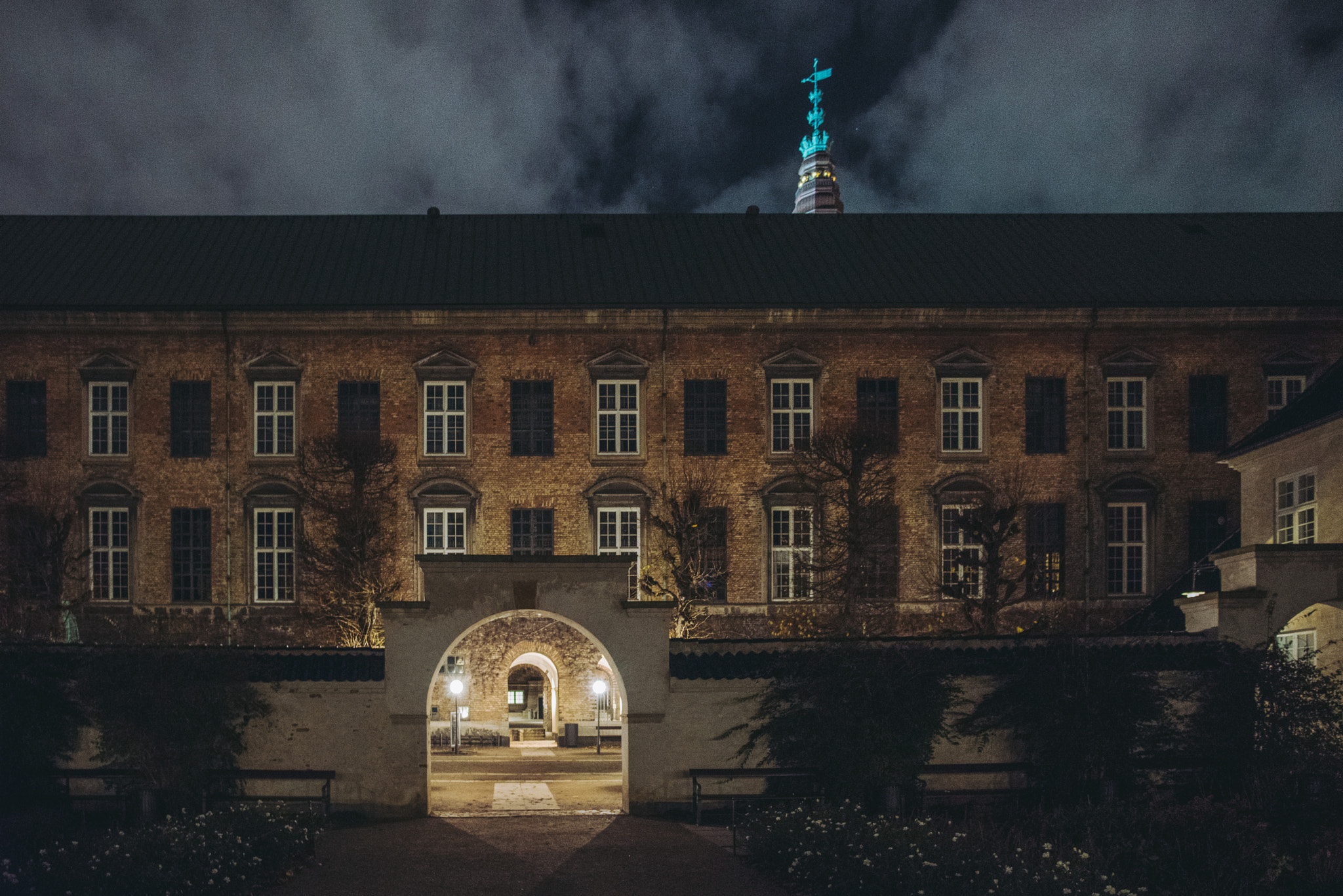
COPENHAGEN, The Lord Mayor's office has detailed a significant new municipal land-use policy, the 'Urban Balance 2030' plan, set to reshape development across several of the city’s most populated districts. The initiative will relax height restrictions for new residential buildings in designated zones within Nørrebro and Vesterbro. In exchange, developers will be required to make substantial financial contributions to new or upgraded public parks and green corridors in the immediate vicinity of their projects.
The policy directly confronts Copenhagen's persistent housing affordability and availability crisis. For years, municipal planners have grappled with accommodating a growing population without sacrificing the city’s renowned liveability and green credentials. This plan represents the current administration's most direct attempt to address both pressures simultaneously, linking the creation of new housing units directly to the funding of public amenities. The approach aims to manage urban density by ensuring that population growth is matched by investment in community infrastructure.
Density Plan Pits Housing Needs Against Neighbourhood Character
For Copenhagen residents, the plan’s impact will vary dramatically by postcode. In the targeted development zones, the coming years are expected to bring more construction cranes and a visible change to the skyline. Families and individuals searching for rental apartments may eventually see an increased supply, which economists generally agree can help stabilise escalating housing costs over the long term. Small business owners in these areas could also benefit from an influx of new residents and customers.
However, community associations in parts of Nørrebro have already expressed concerns about the potential strain on existing local services like schools, public transport, and waste collection. Residents in adjacent, lower-density districts like Østerbro and parts of Frederiksberg, which are largely excluded from the upzoning, will not face the same construction disruption. Yet they will also not see the same level of developer-funded investment in local green spaces, creating a potential disparity in public amenity upgrades across the city.
A Phased Rollout and Public Hearings Ahead
According to documents released by the Technical and Environmental Administration (Teknik- og Miljøforvaltningen), the policy is supported by municipal forecasts showing continued population growth into the next decade. The plan does not specify a hard target for the number of new housing units. Instead, it creates a framework intended to encourage private development that aligns with the city's strategic goals. The success of the policy will depend heavily on the appetite of developers to participate in the scheme and the city's ability to manage the construction and park-building process effectively.
The next step in the process is a mandatory public consultation period, scheduled to begin in September 2026. The City Council (Borgerrepræsentationen) will host a series of public hearings where residents can review the specific zoning maps and provide feedback. Following this consultation, a final vote on the legislation is anticipated before the end of the year. If passed, the first building permits under the 'Urban Balance 2030' framework are expected to be issued in mid-2027, with the first associated park upgrades commencing shortly thereafter.