Property
Lenders Mortgage Insurance: When Paying It Unlocks the Copenhagen Property Ladder
Young buyers in Nørrebro and Amager are crunching the numbers to see if LMI is their ticket into the city’s hot housing market.
3 min read
Updated 1 d ago
Property
Young buyers in Nørrebro and Amager are crunching the numbers to see if LMI is their ticket into the city’s hot housing market.
3 min read
Updated 1 d ago
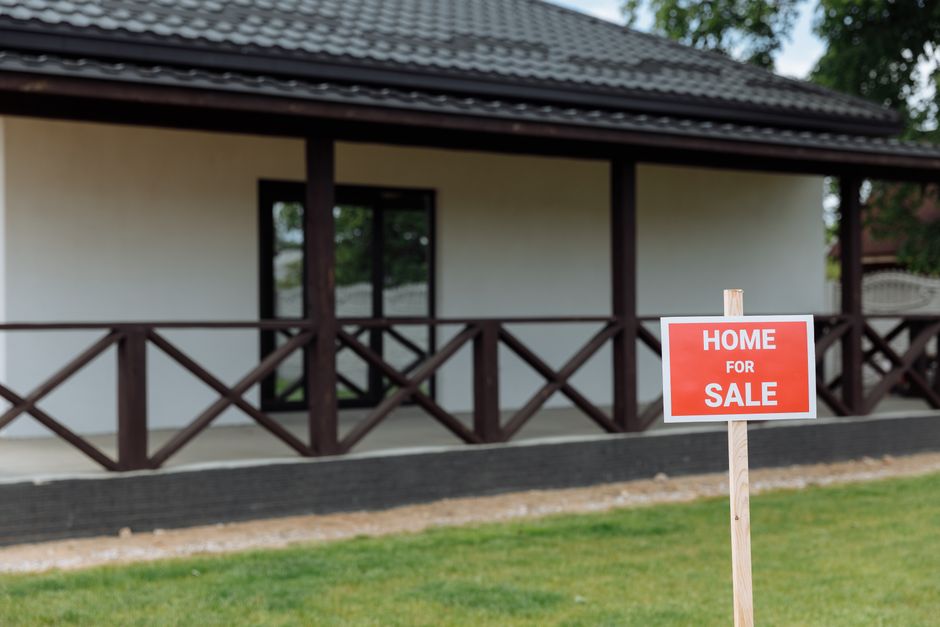
First-time buyers in Copenhagen facing steep property prices are increasingly considering lenders mortgage insurance (LMI) as a way to break into the city’s competitive housing market, even when it means taking on an extra upfront cost.
With the average price of an owner-occupied apartment in Copenhagen now topping DKK 54,000 per square metre according to the Danish Association of Chartered Estate Agents, saving a traditional 20% deposit can feel impossible for many. For would-be homeowners, the question is becoming not how to avoid LMI, but when it actually makes financial sense to pay it in order to buy sooner.
Across districts like Nørrebro and Amager, demand for starter homes far outpaces supply. Lejebolig København, the city’s largest rental platform, reports a surge in buyers frustrated by rent increases and limited listings, especially around urban renewal zones like Jernbanebyen and the Sluseholmen canal district. In these neighbourhoods, entry-level two-room apartments can easily command prices of DKK 3.2 million or more—a sum that puts the standard DKK 640,000 deposit out of reach for many entry-level buyers.
That’s where LMI steps in. Banks including Nordea and Arbejdernes Landsbank have quietly relaxed their home loan standards for buyers able to pay the insurance premium, allowing some to secure mortgages with as little as 5% down. Unlike the mandatory mortgage credit provision (boligkredit) requirements, LMI shifts some of the lender’s risk to an insurer, which in Denmark is often handled by the banks themselves or through agreements with Europæiske Rejseforsikring.
The Danish Financial Supervisory Authority noted a 17% uptick in home loans with less than 10% equity in Copenhagen during the first quarter of 2026, the largest such increase since 2021. For a Vesterbro buyer putting down just DKK 160,000 on a DKK 3.2 million flat, the typical LMI premium runs between 1.5% and 2% of the loan amount – roughly DKK 48,000 to DKK 64,000 upfront, or added to the loan total. While that’s a steep premium, buyers who wait years to amass a larger deposit risk further price hikes, keeping them locked out of ownership altogether.
In practice, some turn to municipal homebuyer grants, such as the City of Copenhagen’s limited “Førstegangskøbere” subsidy, which promises up to DKK 30,000 in aid, but applicants must meet strict income thresholds and commit to owner-occupancy for five years. Homeownership program managers at AlmenBolig+ confirm demand is far outstripping supply, and waitlists for affordable starter flats are at record highs this summer.
For buyers weighing LMI, the calculation comes down to balancing the one-off cost of insurance against continued rent payments and the risk of rising home prices. Mortgage advisors in Østerbro suggest using online calculators from Realkredit Danmark or Totalkredit to model different deposit and premium combinations before committing. Until approval processes change, buyers expecting family help with deposits should be especially clear about bank lending criteria and documentation of funds.
Market watchers say the LMI trend is likely to persist as long as central Copenhagen remains supply-constrained and salaries lag behind home values. For those with steady incomes but limited savings, paying LMI may be the price of admission to Copenhagen’s housing market – and, for many, an investment worth making sooner rather than later.

Property

Property

Property

Property
About this article
Published by The Daily Copenhagen
Spread the word
Daily brief
Free, in your inbox before 7am. Weekdays.