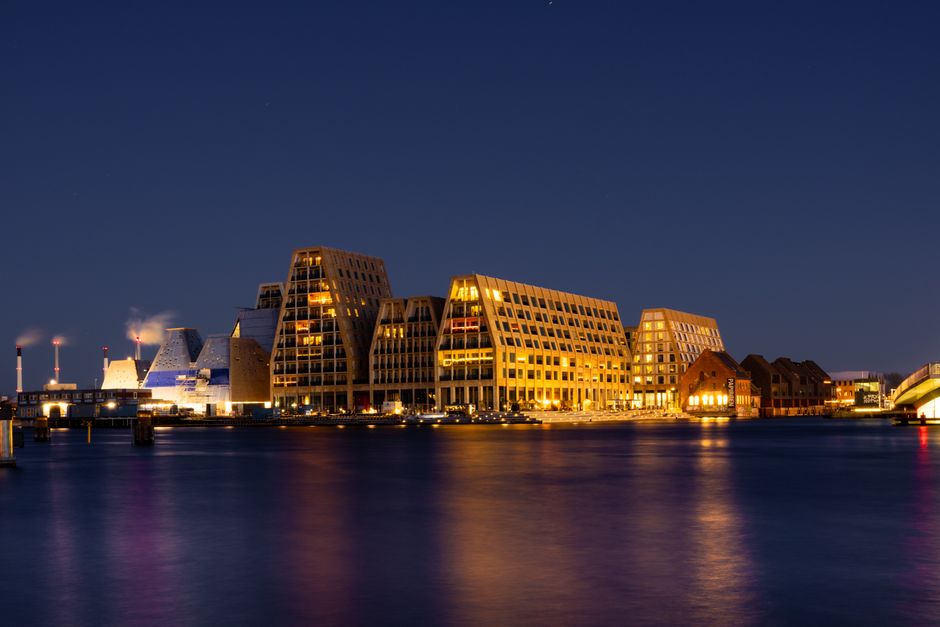
The long-held wisdom of Copenhagen property—that buying is always the smarter financial move—has been upended. For the first time since the aftermath of the financial crisis, the monthly cost of renting a typical two-bedroom apartment in the city is now substantially lower than the mortgage payments on an equivalent property, a development squeezing would-be buyers and reshaping the city's housing market.
This reversal isn't happening in a vacuum. Persistent inflation and geopolitical instability rippling out from Eastern Europe have forced Danmarks Nationalbank to hold interest rates at levels unseen for fifteen years. The era of cheap money, which fueled a decade-long property boom from Amager to Nørrebro, is definitively over. For thousands of Copenhageners hoping to get onto the property ladder, the entry fee just became prohibitively high, shifting the fundamental calculation of what it costs to live in the capital.
The View from the Street
The financial pressure is most acute in the city’s most sought-after postcodes. In neighbourhoods like Vesterbro and Østerbro, the gap between renting and buying has become a chasm. Real estate listings from agencies like Danbolig show a persistent strength in asking prices, but the underlying cost of financing a purchase has fundamentally changed. The result is a market paralysis, where sellers are reluctant to lower prices and buyers are unable to afford the monthly outlay required by current mortgage rates.
This crunch has sent a surge of residents back into the rental market, increasing competition for leases near key transport hubs like the M3 City Circle Line. Securing a stable, long-term rental contract is now the primary goal for many families who, just two years ago, were actively bidding on `ejerlejligheder`. Even the notoriously difficult market for cooperative apartments, or `andelsboliger`, is seeing intensified demand as a perceived halfway house, though available units remain scarce.
By the Numbers
The data paints a stark picture. According to an analysis of market figures from Boligsiden.dk and financial models from Nykredit, purchasing a standard 85-square-metre apartment in Frederiksberg for the current average of 5.4 million DKK would require a monthly mortgage payment of around 27,000 DKK. That calculation is based on a 4.5% blended interest rate and includes the standard 5% down payment. By contrast, the average listed rent for a similar-sized apartment in the same area is currently hovering around 18,500 DKK per month. This leaves a staggering 8,500 DKK monthly premium just for the privilege of ownership before even accounting for property taxes (`ejendomsskat`) and maintenance fees.
This is a dramatic flip from mid-2022, when near-zero interest rates meant the same mortgage would have cost closer to the monthly rent, making ownership the obvious long-term financial choice. Now, the upfront cash-flow burden of buying is forcing a citywide re-evaluation. Tenant advocacy groups like Lejernes Landsorganisation (LLO) report a rise in inquiries, though they caution that the increased demand in the rental sector will inevitably lead to upward pressure on lease prices in the coming year.
For now, the path forward for aspiring homeowners is fraught with uncertainty. The premium to buy a home in Copenhagen has transformed from a manageable investment into a significant monthly financial sacrifice. Until either property prices see a major correction or interest rates begin to fall, many Copenhageners will find that the most economically rational place to live is in a home they don't own.