Property
Transport Upgrade Paves Way for Copenhagen’s Next Commuter Hotspot in Brøndbyøster
Completion of the S-tog Ring 4 extension is spurring a wave of residential development west of the city.
3 min read
Property
Completion of the S-tog Ring 4 extension is spurring a wave of residential development west of the city.
3 min read
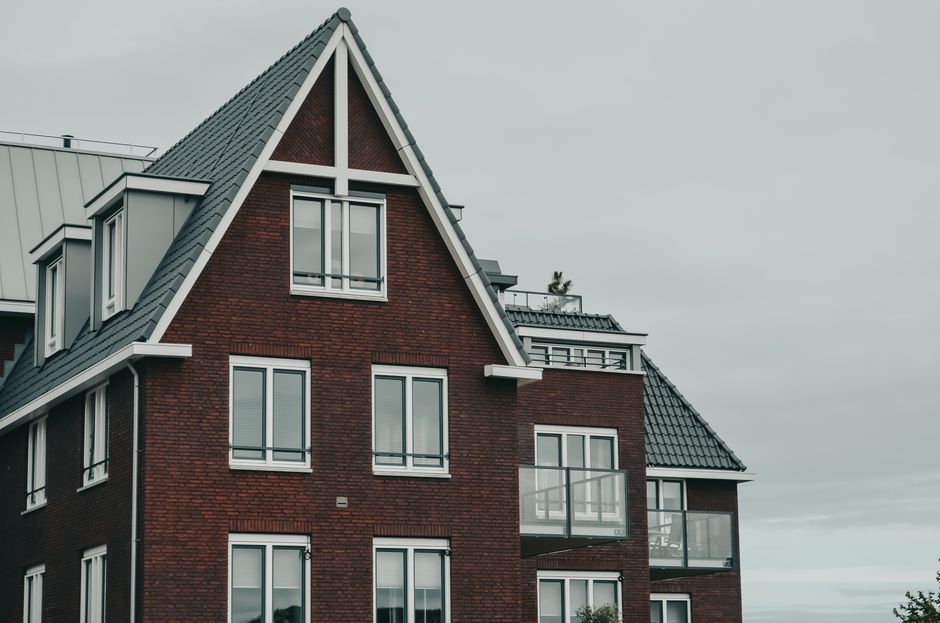
The western suburb of Brøndbyøster is officially on the map for Copenhagen homebuyers after the city council approved zoning changes linked to the S-tog Ring 4 extension, a long-promised rail upgrade that will begin running in August 2027. Developers and local officials say the move will bring thousands of new residents—and the beginnings of a fresh commuter hub—barely a 15-minute train ride from Vesterport.
This investment in new tracks and a wider service schedule comes at a moment when Copenhagen is desperate for affordable family housing. The city’s population grew by 2.6% in 2025, according to Statistics Denmark, stoking demand for homes in suburban areas still within easy reach of the centre. With the ongoing housing squeeze pushing average apartment prices in Vesterbro past 62,000 DKK per square metre, more buyers and renters are looking further afield for space they can afford.
Brøndbyøster, best known for its post-war residential blocks and the green expanse of Brøndby Strandpark, now finds itself at the heart of developer attention. Building permits have surged along Park Allé and Sdr. Ringvej, and the Danish Association of Architects has flagged the area’s proximity to Glostrup Hospital and the bustling shopping zone at Brøndbyvester Torv as transformative assets. Major projects on the table include a 450-unit complex from Nordbolig on the former site of Teknikbyen industrial park, alongside the city-backed "Grønne Enge" project, which promises energy-efficient rental homes adjacent to the new train station.
Data from the City of Copenhagen’s planning office show a 38% rise in residential building applications in Brøndbyøster between January and May of this year, with average pre-sale prices for new flats listed at 38,000 DKK per square metre—roughly 40% below the city-centre average. The transport upgrade has also drawn the attention of corporate buyers: DSB has earmarked adjacent parcels for future park-and-ride facilities and office space, part of a broader strategy to reduce inner-city congestion.
With Ring 4 trains set to run as often as every six minutes during rush hour, the suburb is positioned to reshape the daily rhythms for city workers. Planners are already forecasting a 25% bump in weekday boardings at the new Brøndbyøster station by the end of 2028, according to their published projections. For would-be residents, the council’s planning department has confirmed that applications for new residential rentals near the station will open from November, with the first move-ins expected in late 2027—or earlier, if construction speeds hold.
For Copenhageners priced out of the centre or eyeing more green space and a direct shot to work, Brøndbyøster’s arrival as a genuine commuter suburb could be the city’s most significant housing shift in a decade. Property analysts suggest prospective buyers should watch for early-release listings and city-subsidised scheme openings, especially as developers compete to lure first-movers with incentives. As the S-tog extension nears completion, the city’s western edge is set for rapid change—and the scramble for affordable homes begins anew.

Property

Property
Property

Property
About this article
Published by The Daily Copenhagen
Spread the word
Daily brief
Free, in your inbox before 7am. Weekdays.