Property
Brønshøj Tops List as Copenhagen’s Highest-Yield Suburb for Property Investors
Rental returns in this northwest suburb are outpacing the rest of the city, drawing attention from seasoned landlords and first-time buyers alike.
3 min read
Property
Rental returns in this northwest suburb are outpacing the rest of the city, drawing attention from seasoned landlords and first-time buyers alike.
3 min read
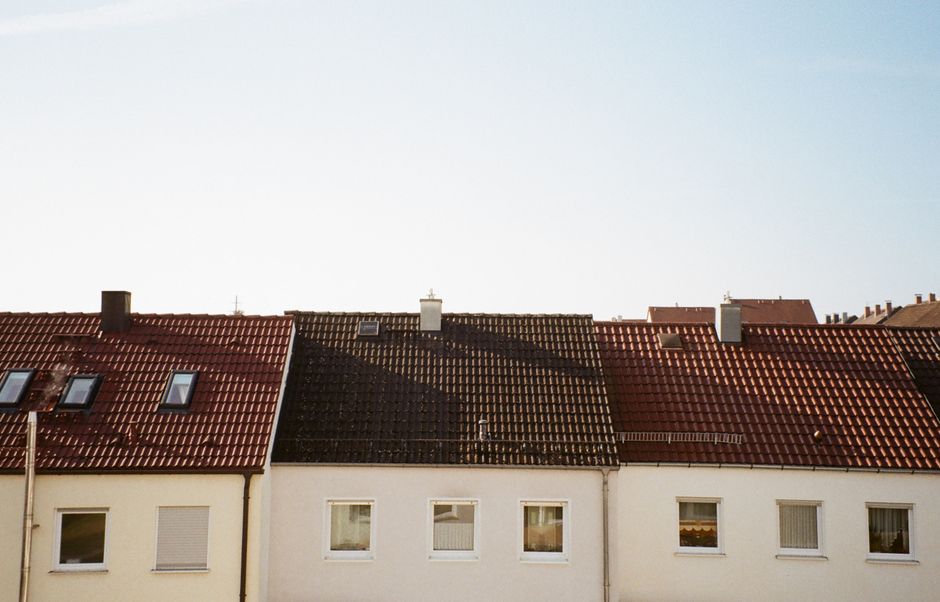
Brønshøj has quietly claimed the top spot for rental yields in Copenhagen, according to the latest figures from Ejendomstorvet.dk. With average yields hovering around 5.1%, this northwest suburb is outpacing traditionally popular neighbourhoods such as Østerbro and Frederiksberg, which have both slipped below the 4% threshold.
This surge in expected returns comes at a critical moment. Danish consumer prices remain high, squeezing homeowners and renters across the city. Meanwhile, recent hikes in mortgage interest rates—Danske Bank adjusted its variable-rate loans to 4.15% in June—have made it tougher to buy centrally. Investors are responding by targeting areas with rare combinations of strong rental demand and comparatively affordable purchase prices.
Sitting northwest of the lakes, Brønshøj has long been overshadowed by flashier neighbours. But proximity to Nørrebro and quick access to the city centre via Frederikssundsvej are game changers. Several key developments—like the revitalisation around Tingbjerg Kirke and the new retail spine at Herlev Hovedgade—are lifting the suburb’s profile. Property managers at Lejebolig København say listings along Husumvej and Smedetoften rent within days of posting, especially two-bedroom flats that appeal to small families and young professionals priced out of more central locations.
Rental demand is amplified by local institutions. Next to Brønshøjparken, Sofiebadet’s upcoming wellness expansion and the bustling Dansekapellet arts centre are attracting a steady influx of new residents. The proximity to Bispebjerg Hospital and regular S-train service from Husum Station only add to the suburb's practical appeal for those working across Greater Copenhagen. Local schools like Brønshøj Skole and community initiatives—such as the Brønshøj Boldklub football program—draw families looking for stability and green space, further stoking rental pressure.
Trading data from Boligsiden.dk reveals the median apartment sale price in Brønshøj now stands at DKK 36,200 per m²—roughly 18% lower than in Vesterbro. Gross rental values are keeping pace with city averages: a standard two-bedroom flat fetched DKK 13,500 monthly in Q2 2026, up almost 7% from a year ago. This gap between purchase price and rent means yields have hit their highest levels since 2019, according to a June market survey by EDC Poul Erik Bech. Investors report lower vacancy rates and a ready pool of qualified tenants, with average time to let at just 11 days compared to the citywide average of 19.
Whether you're weighing up buy-to-let options or considering a first investment, Brønshøj’s fundamentals are hard to ignore. Strong rental demand is underpinned by stable employment in the public sector and steady student demand linked to nearby education hubs like Professionshøjskolen UCC. With the expansion of cycle routes and continued upgrades at Brønshøj Torv, the value proposition is likely to hold.
For those looking to take the plunge, agents recommend targeting properties within 500 metres of Husum Station or the green belts near Utterslev Mose—the areas showing the fastest rent rises and lowest tenant turnover this year. Mortgage brokers at Nordea Bolig point to fixed-rate options as the safer bet in the current fluctuating rate environment. As Copenhagen’s city centre cools, Brønshøj stands out as the rare suburb delivering both capital security and robust monthly cashflow.

Property

Property

Property

Property
About this article
Published by The Daily Copenhagen
Spread the word
Daily brief
Free, in your inbox before 7am. Weekdays.