Wellness
Five Seasonal Recipes Using Local Produce Available Right Now in Copenhagen
From Torvehallerne's strawberry stalls to Amager's new-potato harvest, July's best ingredients are hitting the city's markets — here's how to cook them.
4 min read
Wellness
From Torvehallerne's strawberry stalls to Amager's new-potato harvest, July's best ingredients are hitting the city's markets — here's how to cook them.
4 min read
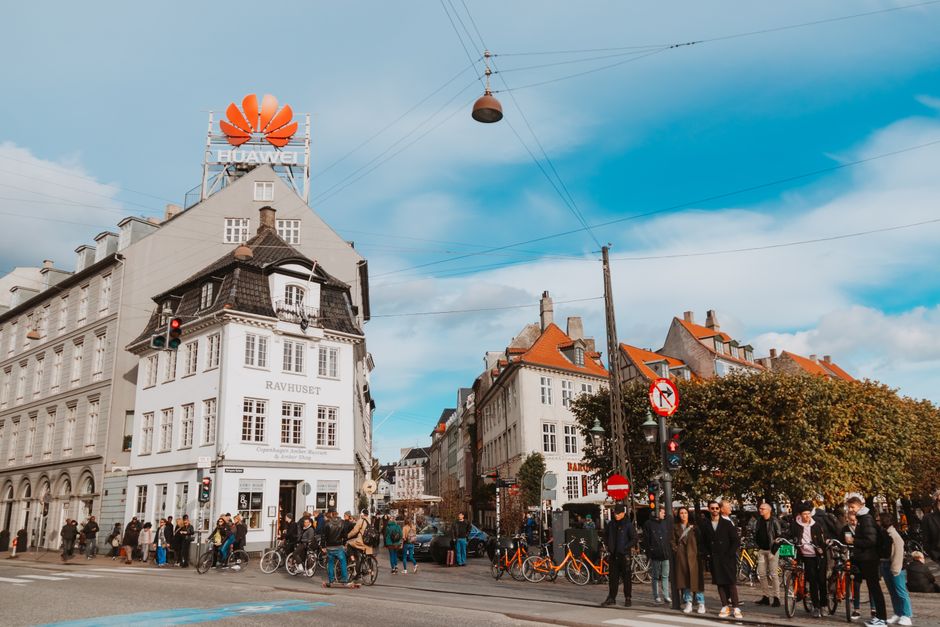
Copenhagen's outdoor markets hit their annual peak this week. Vendors at Torvehallerne on Frederiksborggade are selling Danish jordbær — the small, intensely sweet field strawberries — for around 35 kroner per 500-gram punnet, down from nearly 50 kroner in early June. New potatoes from Amager and Lolland have arrived in force. Dill, purslane, elderflower, fresh peas and the first Danish cucumbers round out what growers and market traders describe as one of the stronger July harvests in recent years after a wet but warm spring.
Eating seasonally is not merely a lifestyle preference in Denmark — it is increasingly a public-health and economic argument. Statistics Denmark reported in its 2025 food consumption survey that Danish households spending more than 30 percent of their grocery budget at local markets or farm-subscription schemes consumed, on average, 22 percent more vegetables per week than those relying primarily on supermarkets. With household food costs rising roughly 8 percent between 2023 and 2025, maximising what July offers before the window closes matters for the wallet as much as the waistband.
Copenhagen's Fødevarefællesskabet cooperative, which operates collection points across Nørrebro, Vesterbro and Østerbro, has seen membership grow to more than 4,200 households this summer — its highest ever. The cooperative sources directly from around 60 Danish farms and publishes a weekly what's-in-season guide on its website. Meanwhile, the city-funded program Grøn København, which supports urban growing spaces from Valby to Sydhavn, reports that allotment holders are currently harvesting radishes, sorrel, climbing beans and courgettes — ingredients that cost almost nothing beyond the labour of picking.
Five recipes that make the most of what is genuinely available right now, without resorting to the supermarket imports that crowd out local produce in August.
1. Smashed new potatoes with cultured butter and dill. Boil Amager new potatoes — skins on — until just tender, about 18 minutes. Smash on a baking sheet, brush with salted cultured butter from Thise Mejeri, and roast at 220°C for 20 minutes until the edges crisp. Finish with a heavy hand of fresh dill and flaky salt. Nothing else needed.
2. Strawberry and purslane salad with elderflower vinegar. Halve 300 grams of field strawberries and toss with a large handful of purslane — available at Ravnsborggade's weekend market in Nørrebro — a tablespoon of cold-pressed rapeseed oil and a splash of elderflower vinegar. This takes four minutes. Eat it the same day.
3. Cold cucumber soup with skyr. Blend two Danish cucumbers, 200 grams of natural skyr, a clove of garlic, fresh mint and a squeeze of lemon until smooth. Season aggressively. Serve cold in bowls with a drizzle of oil. The entire recipe costs under 40 kroner and feeds three.
4. Fresh pea and sorrel frittata. Shell 400 grams of fresh peas — faster than it sounds — and fold into six beaten eggs with shredded sorrel and crumbled feta. Cook low and slow in an ovenproof pan, finishing under the grill. Sorrel's sharp, lemony bite does the work that salt alone cannot.
5. Courgette and goat's cheese tart on rye. Grate two small courgettes, squeeze out moisture, mix with fresh goat's cheese from Naturmælk and a pinch of nutmeg. Spread onto thick slices of toasted rugbrød. Eat open-faced for lunch. This is not a recipe so much as an assembly job that takes less time than ordering a delivery.
Torvehallerne remains the most reliable single stop — stalls open daily from 10 a.m., and most produce vendors are clustered in Hall 1 facing Linnésgade. For volume and lower prices, the Saturday market at Israel Plads opens at 8 a.m. and sells down fast. Budget around 150–200 kroner for enough ingredients to cook three of the five recipes above for two people. The Fødevarefællesskabet subscription box, currently 299 kroner per fortnight for a medium share, arrives pre-sorted by farm and removes the guesswork entirely for time-pressed households. Whichever route you choose, the window for these particular ingredients is roughly six weeks. By mid-August, the strawberries will be gone and the courgettes will be the size of small boats.
About this article
Published by The Daily Copenhagen
Spread the word
Daily brief
Free, in your inbox before 7am. Weekdays.