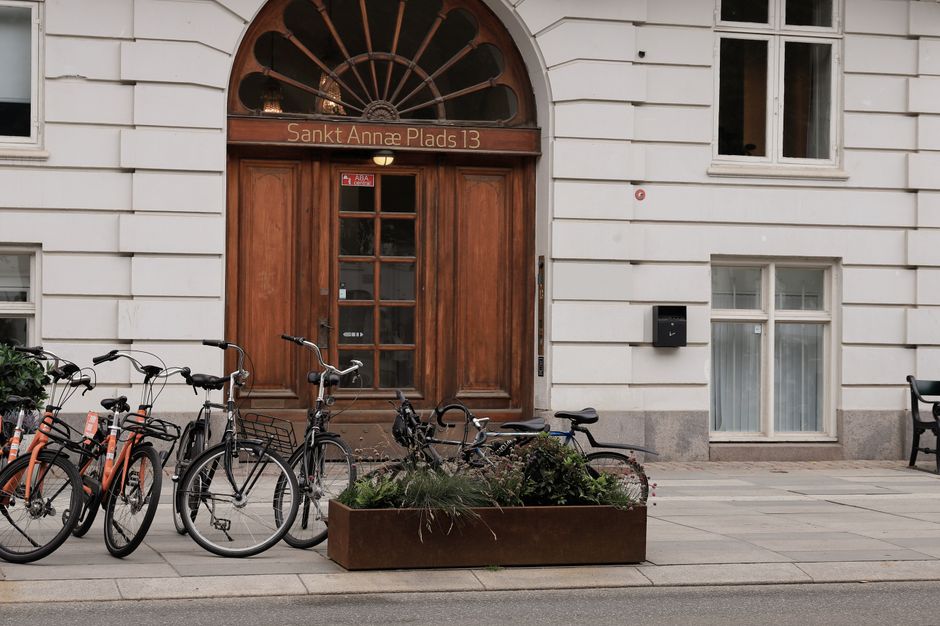
More than 390 kilometres of dedicated cycling lanes thread through Copenhagen, yet a surprising number of residents — newcomers in particular — still feel intimidated about where to begin. City cycling data published by the Cycling Embassy of Denmark earlier this year showed that 23 percent of people who own a bicycle in the capital ride it fewer than three times a week, citing traffic confidence as the primary barrier. For families and first-time urban cyclists, the good news is that several corridors have been specifically designed to keep speed, stress and danger to a minimum.
The timing matters. Summer school holidays in Denmark began last week, and Copenhageners are flooding parks and waterfronts in numbers not seen since before the 2021 infrastructure works on Nørrebrogade disrupted the city's most beloved cycling artery. Families are looking for routes that don't demand Tour de France reflexes, and the city has quietly expanded its network of so-called family-friendly greenways over the past two years.
Where to Start: The Routes Worth Knowing
The Amager Strandvej corridor is the most obvious entry point for beginners. Running south along the coast from the Øresund metro station toward Kastrup, the path is almost entirely flat, separated from motor traffic by a grass verge, and wide enough for a cargo bike laden with two children to pass a leisure cyclist without drama. On a clear July morning the view across Øresund toward Sweden is genuinely stunning, and the route connects directly to Amager Strandpark, where families can stop at the beach volleyball courts or the kiosk near the southern lagoon. Total distance from the metro to the park's southern tip is roughly 7 kilometres — manageable in under 45 minutes at a gentle pace.
Further north, the Frederiksberg Have loop is ideal for younger children or anyone still finding their balance on a city bike. The path that circles the park's outer perimeter and connects through Søndermarken is almost entirely car-free and well-shaded by mature linden trees. It's popular enough to feel safe but not so crowded that it becomes stressful. Cykelslangen — the sinuous orange bridge over the harbour that has become something of a Copenhagen icon — can be reached from here via the Havneholmen path in about 20 minutes, adding a spectacular centrepiece to what is otherwise a gentle outing.
Cyklistforbundet, the Danish Cyclists' Federation, publishes a free digital map updated annually that grades routes by difficulty. Their 2026 edition, released in March, added 14 new beginner-rated segments across the city, including a newly marked stretch along Kalvebod Brygge that links Islands Brygge to the Fisketorvet shopping centre without cyclists needing to navigate a single traffic light.
Practical Advice Before You Ride
Renting a bike remains straightforward. Bycyklen, the city's electric smart-bike scheme, charges 45 kroner per hour and has docking stations at most major parks including Fælledparken and Østre Anlæg. For families needing cargo bikes — the long-tail Christiania-style cycles that have become a Danish cultural export — rental shops along Nørrebrogade typically charge between 250 and 400 kroner per day, with helmets included. Children under 15 are legally required to wear helmets in Denmark, and most rental operators will fit one free of charge.
The city's traffic authority, Vejdirektoratet, advises cyclists to use hand signals at every junction regardless of whether dedicated bike lanes are present — a habit that reduces collision risk by a statistically significant margin and one that separates confident-looking riders from nervous ones within about three minutes of observation. Download the Rejseplanen app before heading out: it includes bike-routing options that prioritise green lanes over main roads, and it works offline for stretches where signal drops.
For anyone who wants structured guidance rather than a solo adventure, the non-profit group Cykling Uden Alder — which originally launched a programme bringing elderly care-home residents on cargo bike rides — now runs weekend beginner group rides departing from Nørreport Station most Saturdays at 9 a.m. through August. No booking required, no lycra expected.