wellness
Wind down, sleep better: the science-backed routines Copenhagen's wellness culture is finally getting right
From Nørrebro yoga studios to Frederiksberg bathhouses, the evidence for a proper pre-sleep ritual has never been stronger, or more relevant to the way this city lives.
Listen in English · 4 min
How we reported this
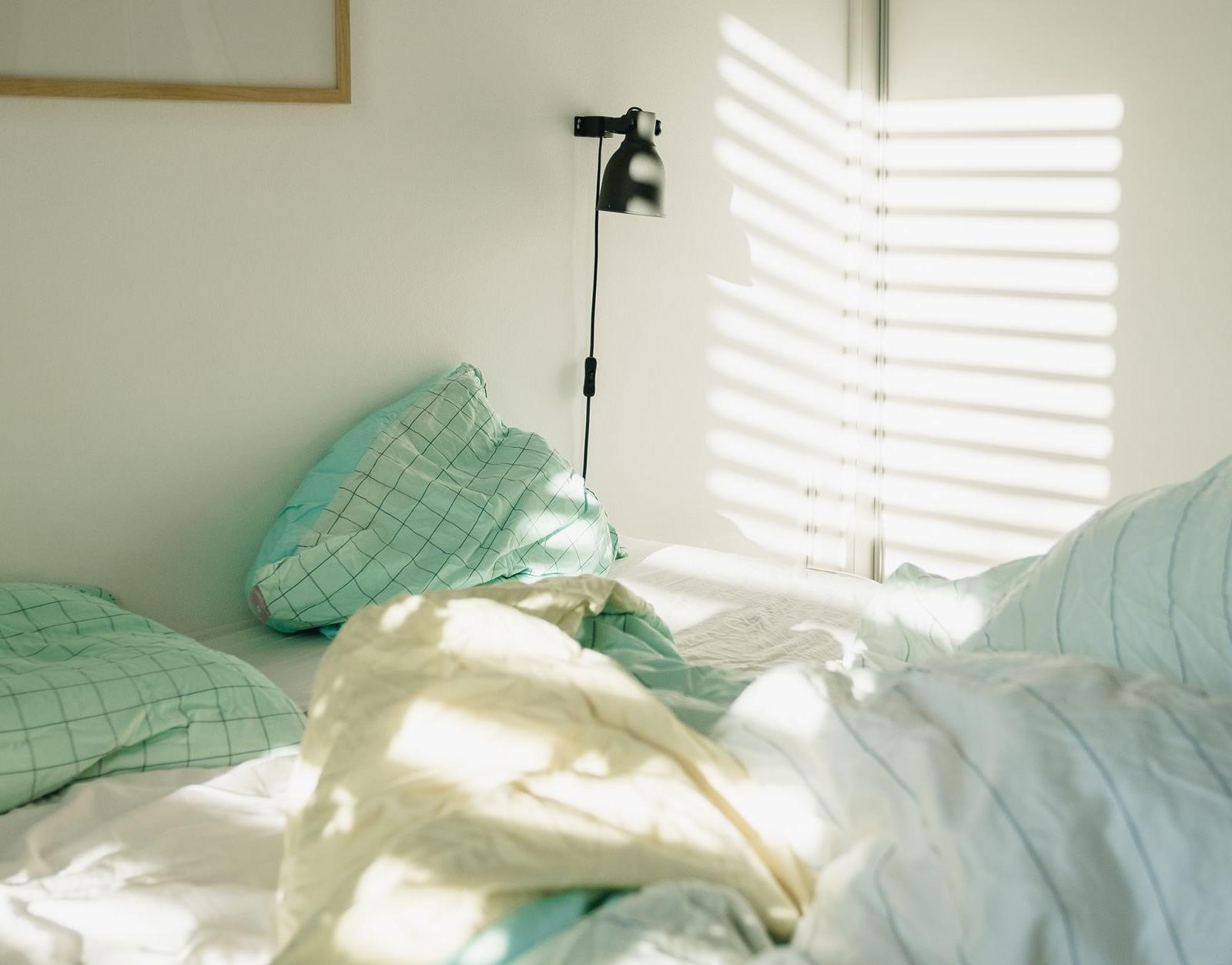
Sleep researchers have a blunt message for anyone who collapses into bed after a late dinner and a scroll through their phone: you are making it harder for your own brain to do its job. The science on wind-down routines has solidified considerably since 2023, and the core finding is simple, the 60 to 90 minutes before you get into bed matter almost as much as the hours you spend in it.
The timing is pointed. Danes already rank among Europe's more sleep-deprived urban populations during summer. Copenhagen sits at latitude 55°N, which means July brings roughly 17.5 hours of daylight. Blackout blinds sell out at IKEA Gentofte every June. The body's melatonin suppression under natural light is measurable, and combined with the city's dense after-work social culture, long dinners on Vesterbrogade, outdoor bars along Nyhavn running past midnight, the structural pressure on sleep quality is real and seasonal.
What the evidence actually says
The Danish Center for Sleep Medicine at Rigshospitalet, which runs outpatient consultations on Blegdamsvej, publishes guidance consistent with the international consensus: core body temperature must drop roughly 1°C for sleep onset to occur smoothly. That process takes time and requires deliberate behaviour. A warm shower or bath 60 to 90 minutes before bed accelerates the drop, blood rushes to the skin, heat dissipates, and core temperature falls faster than it would naturally. Cold exposure, popular as it is in this city, works differently. A quick dip in the harbour at Islands Brygge at 10 p.m. is invigorating rather than sedating, which is fine if you allow an hour of calm afterwards.
Screen exposure remains the best-documented disruptor. Blue-light wavelengths between 460 and 480 nanometres suppress melatonin production by up to 50 percent, according to research published in the Journal of Clinical Endocrinology & Metabolism. Switching to amber-tinted screen filters after 9 p.m. helps, but the stronger intervention is simply putting the device in another room. Sleep clinicians at Rigshospitalet recommend a hard cut-off 45 minutes before the intended sleep time.
Alcohol deserves its own sentence. A glass of natural wine on a Nørrebro terrace feels relaxing because it is a sedative, but it fragments sleep architecture in the second half of the night, suppressing REM sleep and raising the chance of waking between 3 and 5 a.m. One unit is unlikely to cause measurable harm for most adults; two or more on consecutive nights is a different calculation.
Building a Copenhagen-specific routine
The city's wellness infrastructure makes a structured wind-down genuinely accessible. Copenhagen Yoga, which operates studios in both Nørrebro and on Frederiksberg Allé, runs yin and restorative classes finishing at 9 p.m. on weeknights, formats specifically designed to down-regulate the nervous system through long, passive holds and diaphragmatic breathing. A single drop-in class costs 160 DKK. The slower breathing patterns used in yin yoga have been shown to activate the parasympathetic nervous system within 10 to 15 minutes, producing measurable reductions in cortisol.
For those who prefer water, Frederiksberg Svømmehal on Helgesvej keeps its pool open until 9 p.m. Thursday evenings. A 30-minute swim at moderate intensity followed by time in the steam room follows almost exactly the warm-bath protocol recommended by sleep medicine clinicians: raise peripheral temperature, then let it fall. An adult evening swim costs 48 DKK.
Magnesium glycinate supplements have accumulated reasonable evidence as a mild sleep aid, particularly for people with dietary shortfalls. Several pharmacies on Strøget stock the glycinate form, which is better absorbed than magnesium oxide. The research base supports 200 to 400 mg taken an hour before bed, though anyone on prescription medication should check with their own læge first.
The practical architecture of a solid wind-down is not complicated: dim the lights at 9 p.m., stop eating by 8 p.m., finish any intense exercise by 8:30 p.m., take a warm shower around 9:30 p.m., and keep the bedroom below 18°C. In a Copenhagen July that last point requires either air conditioning or a fan, both available at Elgiganten on Amagerbrogade for under 500 DKK. The city gives you every reason to stay up late. The science gives you equally strong reasons not to.