Wellness
gut health 101: fermented foods you can find locally
Discover the local fermented food scene in Copenhagen and how it can boost your gut health
3 min read
Updated 3 h ago
Wellness
Discover the local fermented food scene in Copenhagen and how it can boost your gut health
3 min read
Updated 3 h ago
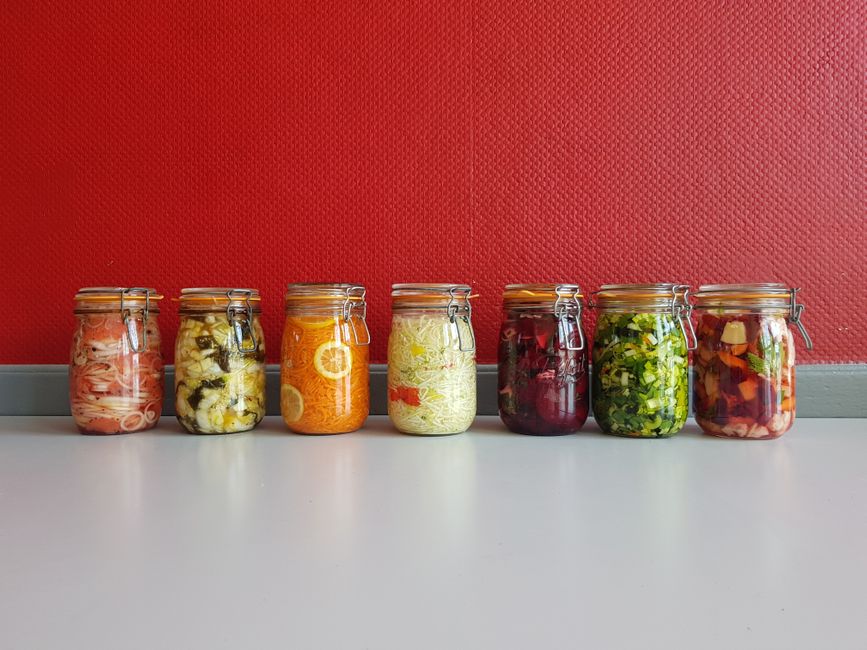
Copenhageners can now find a variety of fermented foods at local markets and health food stores, with prices starting from around 20 kroner for a jar of homemade sauerkraut. This growing trend is not just a passing fad, but a significant shift towards a healthier and more sustainable food culture.
The importance of gut health has become increasingly evident in recent years, with research showing that a balanced gut microbiome is crucial for our overall wellbeing. A healthy gut can boost our immune system, improve our mental health, and even help us maintain a healthy weight. With the city's active wellness culture, it's no surprise that Copenhageners are turning to fermented foods as a way to support their gut health. From the trendy cafes in Vesterbro to the traditional food markets in Torvehallerne, fermented foods are becoming a staple in the city's culinary scene.
In Copenhagen, you can find a range of fermented foods at local institutions such as the Copenhagen Street Food market on Papirøen, where vendors like Fermenteriet offer a variety of fermented vegetables and drinks. The Østerbro-based health food store, Naturhuset, also stocks a wide selection of fermented products, including kefir and kombucha, with prices ranging from 30 to 50 kroner per liter. Additionally, the city's many organic farms, such as the one in Amager, offer workshops and courses on fermentation, where participants can learn how to make their own fermented foods at home.
According to a recent survey by the Danish Health Authority, around 60% of Danes report eating fermented foods at least once a week, with the most popular fermented foods being sauerkraut, yogurt, and cheese. The same survey found that the average Dane spends around 100 kroner per month on fermented foods, with the majority of respondents citing health benefits as the main reason for their consumption. As of January 2026, the city's food waste reduction program has also started to incorporate fermentation as a way to reduce food waste, with several local restaurants and cafes participating in the initiative.
So, what can you do to start incorporating more fermented foods into your diet? Start by visiting some of the local markets and health food stores, such as the ones on Nørrebrogade or in the Latin Quarter, and try some of the different fermented products on offer. You can also try making your own fermented foods at home, using recipes and tips from local experts and online resources. With its growing fermented food scene and active wellness culture, Copenhagen is the perfect place to start your gut health journey.
About this article
Published by The Daily Copenhagen
Spread the word
Daily brief
Free, in your inbox before 7am. Weekdays.