The world, explained for Australia.
The World
Sulfuric acid is the world's most-produced chemical, essential to copper refining and fertiliser making. Australia's mines and farms rely on reliable global supply and price stability.
By The Daily World · 1 July 2026

The World
Australia mines vast quantities of tin but ships it overseas for processing. Understanding this gap reveals why nations compete for refining capacity and what it means for Australian workers and supply security.
By The Daily World · 1 July 2026
The World
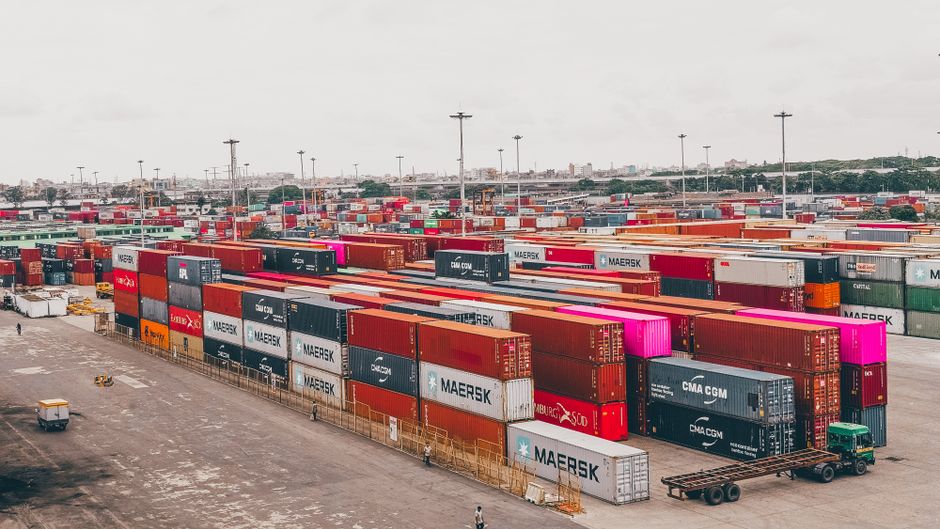
From cargo theft to piracy and climate disasters, shipping insurance shapes what Australian exporters pay to send goods overseas and what importers charge for what arrives at your door.
By The Daily World · 1 July 2026
The World
Australia imports most of its phosphate fertiliser from Morocco, whose supply dominance exposes Australian agriculture to geopolitical and climate shocks that ripple through food prices and export competitiveness.
By The Daily World · 1 July 2026
The World
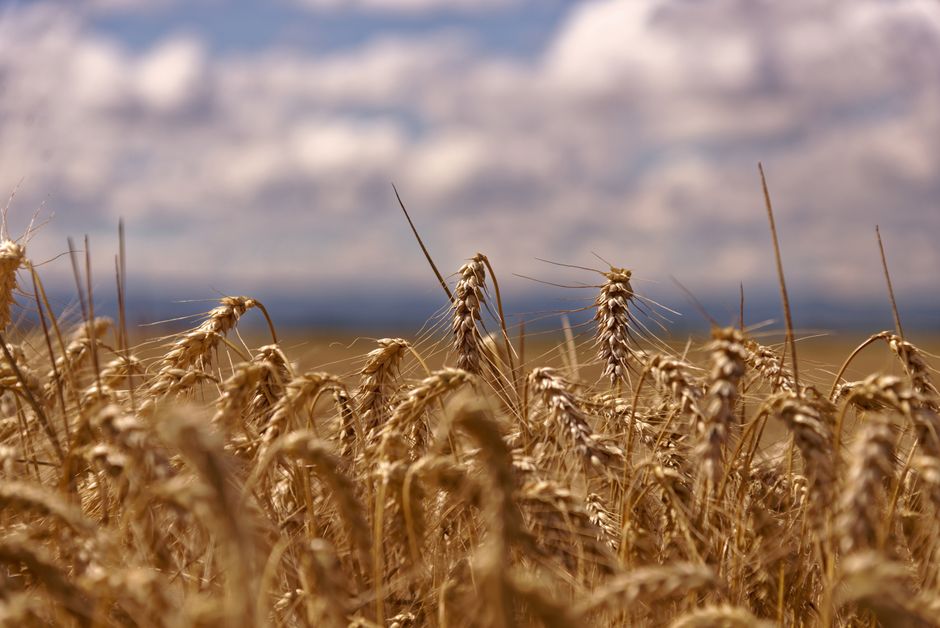
From grain to glass, beer connects Australia to distant farmers and commodity traders. Understanding the world's brewing supply chain shows why your local beer gets more expensive when weather strikes thousands of kilometres away.
By The Daily World · 1 July 2026
The World
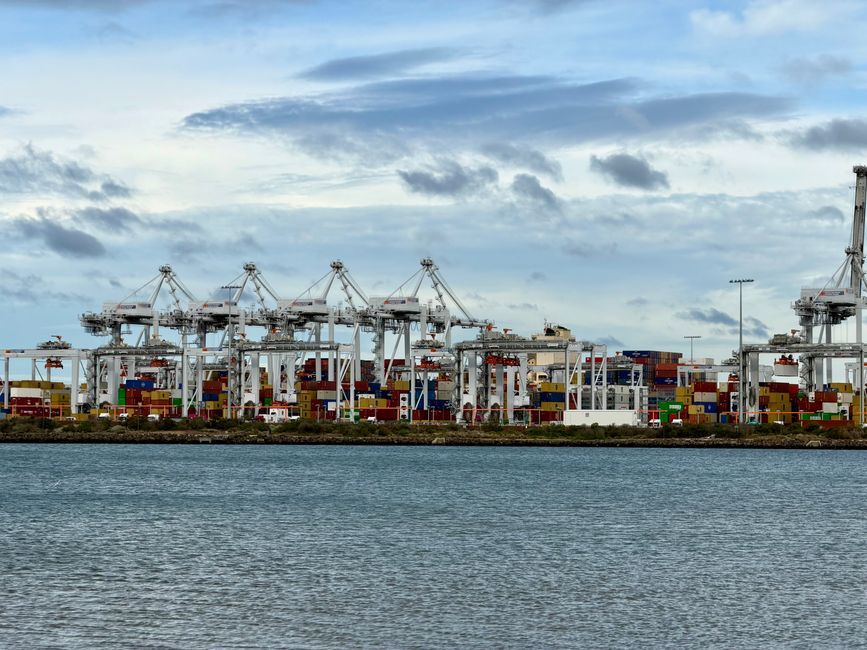
Australia produces more meat than it consumes, but global trade rules, labour costs, and cold-chain logistics mean your steak price and your local job depend on distant decisions.
By The Daily World · 1 July 2026
The World
A single island produces most of the world's advanced chips. When supply breaks, everything from cars to phones to defence systems feels the strain. Here's how the world's most critical supply chain works.
By The Daily World · 1 July 2026
The World
Australia's agricultural heartland depends on three nutrient markets shaped by geopolitics, weather, and mining costs a world away. When global supply tightens, your food prices follow.
By The Daily World · 1 July 2026

The World
Water is the world's most traded invisible commodity. Understanding how nations compete for it, and how climate shapes supply, matters for everything from your tap to global food prices.
By The Daily World · 1 July 2026
The World
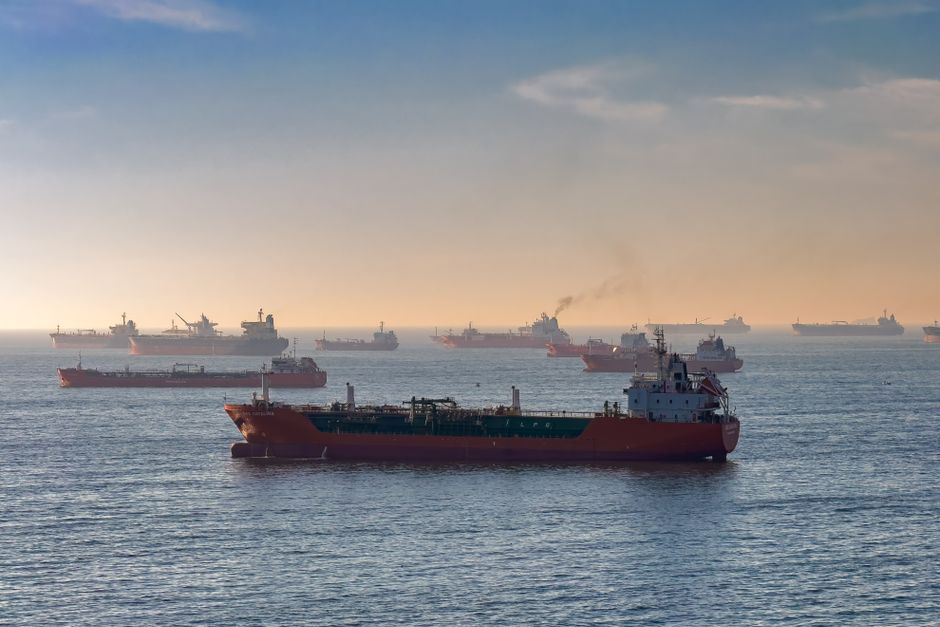
Most of Australia's petrol and diesel travels by sea in specialised ships. Understanding tanker routes, fleet capacity and chokepoint risks explains why your fuel costs shift with global events thousands of kilometres away.
By The Daily World · 1 July 2026
The World
Phosphate rock is mined in only a handful of countries. Australia produces almost none, yet feeds itself and the world. Understanding this hidden dependency matters for your food security.
By The Daily World · 1 July 2026
The World
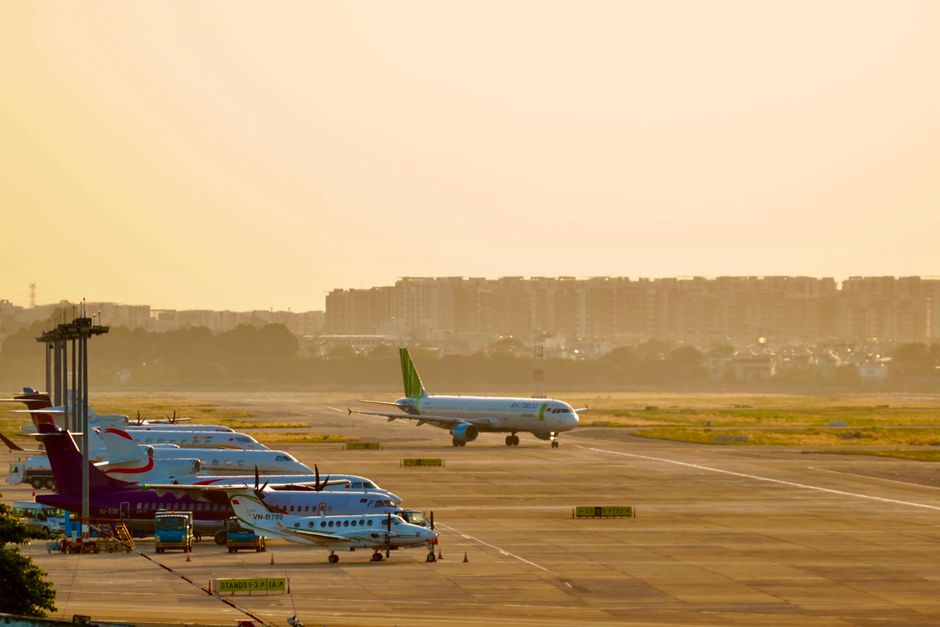
Fuel hedging, carbon costs, yield management, and geopolitical risk all feed into the price you pay for a flight to London or Bali.
By The Daily World · 1 July 2026
The World
How ocean currents shape Australia's weather, fish stocks, and monsoons. Learn why these underwater rivers matter for your climate and food supply.
By The Daily World · 30 June 2026
The World
Discover how geothermal energy works and why Australia is investing in underground heat technology. Learn about reliable 24/7 renewable power generation.
By The Daily World · 30 June 2026
The World
Explore how Australia's iron ore production drives global steel markets. Learn why 900M tonnes annually shape construction, infrastructure demand, and economic growth worldwide.
By The Daily World · 30 June 2026

The World
Australia produces 25% of world's wool. Learn how the global supply chain works, why farmer prices fluctuate, and what drives demand from Milan to India.
By The Daily World · 30 June 2026
The World
Australia imports crucial fertilisers as global supply chains face disruption. Learn how nitrogen, phosphorus, and potassium shortages directly impact your grocery bills and food security.
By The Daily World · 30 June 2026
The World
As the world's second-largest producer, Australia's copper output shapes everything from power grids to tech—and price swings ripple through local wages and living costs.
By The Daily World · 30 June 2026