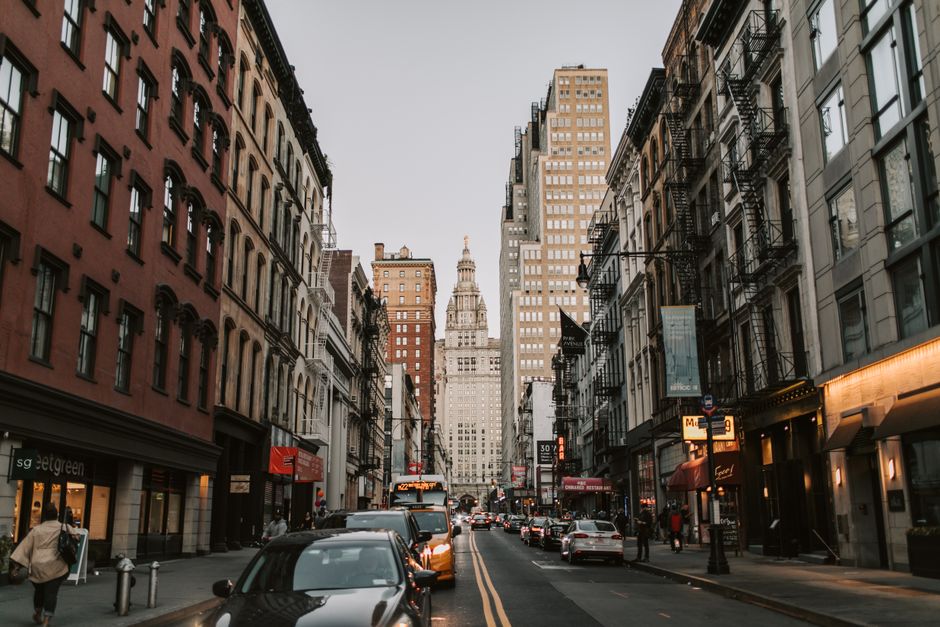
Copenhagen's sprawling network of municipal digital archives holds a problem hiding in plain sight: duplicate images, filed and refiled across shared drives, cultural institution databases and borough-level records systems for the better part of two decades, are now clogging storage infrastructure and complicating public access requests. The question of what to do about it has landed squarely on the desks of city administrators at Rådhuset, and the decisions made in the coming months will shape how Copenhageners can search, use and trust publicly held photographic records for years ahead.
The issue matters now because Copenhagen Municipality is midway through a broader digitisation push under its 2025–2028 digital strategy, which commits to making city-held records more accessible and interoperable. Duplicate image files aren't just a storage annoyance — they create inconsistent metadata, generate conflicting version histories and make it harder for institutions to comply with Denmark's Access to Public Administration Files Act. When the same photograph of, say, a Nørrebro streetscape exists in four slightly different file formats under four different catalogue entries, archivists cannot confidently tell a researcher which version is authoritative.
Two institutions are at the centre of the immediate decision-making. Copenhagen City Archives, based on Kultorvet, holds the largest publicly accessible municipal photo collection in the city and has been piloting automated deduplication software since late 2024. The Royal Danish Library's Copenhagen collections, housed partly at Slotsholmen, hold overlapping urban documentation that was digitised through joint programmes with the municipality. Staff at both institutions have been working to establish a shared metadata standard, but a formal agreement on who owns the master record — and who bears the cost of correcting duplicate entries — has not yet been reached.
The Technical and Financial Crunch
Cloud storage is not free. Copenhagen Municipality's IT procurement framework, last updated in 2023, sets internal cost-recovery rates for shared data infrastructure. Archivists working within the city system have flagged that redundant image files are consuming storage allocations budgeted for active administrative use. While the municipality has not published a precise figure for the scale of duplication across all systems, comparable deduplication projects in mid-size European municipal archives — including projects documented by the International Council on Archives — have found redundancy rates running between 15 and 30 percent of total catalogued image assets. Even at the lower end, that figure is significant for an archive the size of Copenhagen's.
The Copenhagen City Council's Culture and Leisure Committee, which oversees archive funding, is expected to receive a status report on the digitisation strategy before the summer recess ends in mid-August 2026. That report is understood to include options for a phased deduplication programme, with estimates for external contractor costs versus in-house processing. A decision on procurement approach would likely need to follow before the end of the third quarter to keep the broader 2025–2028 strategy on schedule.
What Decision-Makers Must Get Right
Three choices will define whether this gets resolved cleanly or drags on. First, the city must agree on a single authoritative catalogue — most likely anchored at City Archives on Kultorvet — rather than maintaining parallel systems at each institution. Second, the metadata standard used for surviving images needs to align with the Danish national standard operated by Rigsarkivet, the National Archives, so records are portable and searchable beyond the city level. Third, and most practically, there needs to be a clear public interface: right now, residents in Vesterbro or Frederiksberg who submit records requests for historical neighbourhood images can receive duplicated, inconsistently labelled files with no clear indication of provenance.
Archivists and records professionals across Scandinavia have pointed to Stockholm's stadsarkivet as a useful reference point — that institution completed a large-scale deduplication and public access upgrade in 2022, cutting retrieval times and improving researcher satisfaction. Copenhagen does not need to replicate Stockholm's model exactly, but the principle — settle authority, standardise metadata, then open the door to the public — applies here just as directly. The city has the strategy on paper. Now it needs the decisions to match.