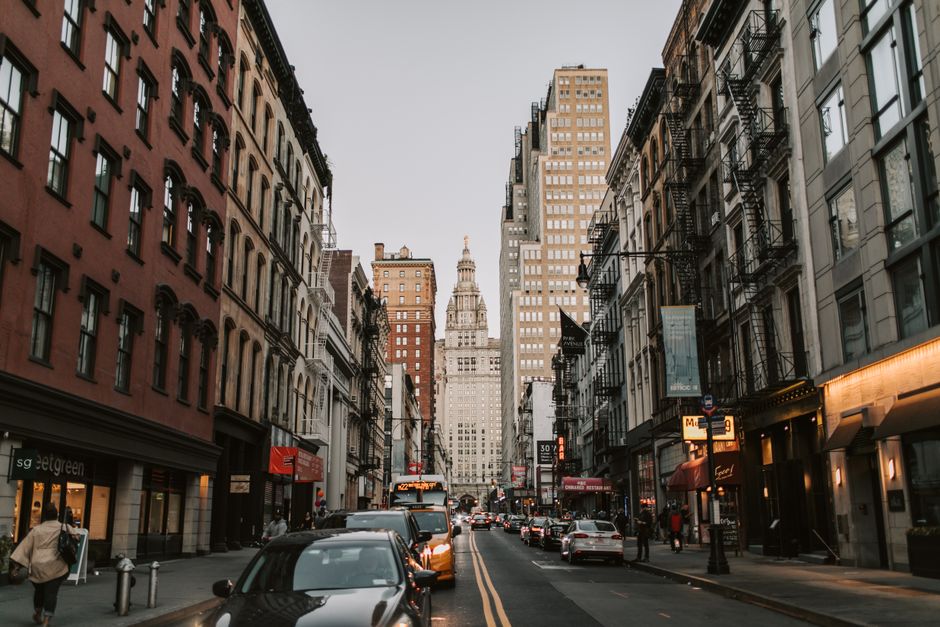
Copenhagen's municipal digital archive contains thousands of duplicate photographs — many of them outdated, misattributed, or technically inferior versions of the same image — and how the city decides to replace them over the coming months will determine how Copenhagen presents itself to residents and the wider world for years to come.
The issue has sharpened in 2026 because the city is midway through a broader digital infrastructure review, with the Technical and Environmental Administration's deadline for a consolidated image management system set for the first quarter of 2027. That timetable leaves a narrow window for the decisions that matter most: which images get retired, who commissions replacements, and whether the process is centralized under one body or distributed across Copenhagen's individual boroughs and institutions.
The centralised model would cut procurement costs and ensure consistent quality standards across everything from Nørrebro neighbourhood profiles to infrastructure shots of the Ørestad development corridor. The decentralised approach would give local offices more flexibility and potentially support a wider range of local photographers, including those represented through the Danish Photographers' Association, known as Fotografernes Forbund.
Both approaches carry real trade-offs. A unified framework risks producing imagery that looks bureaucratically uniform — the same drone angles over Sydhavn, the same flattering winter light on Strøget — while fragmented procurement risks duplication of effort and inconsistent metadata standards that make images difficult to find and reuse across platforms.
Copenhagen's digital archive currently holds an estimated 340,000 image files, according to figures the municipality presented at a January 2026 administrative modernisation seminar. Of those, internal assessments suggest roughly 18 percent are duplicates or near-duplicates. That is more than 60,000 files competing for the same search results, slowing retrieval times and creating practical problems for communications teams who routinely pull images for press releases, planning consultations, and resident-facing publications.
The Institutions With the Most at Stake
Three actors will carry disproportionate influence over what comes next. First, Københavns Kommunes IT-projektkontor — the municipality's IT project office — which holds the procurement authority and is expected to publish a tender specification before the end of August 2026. Second, the Copenhagen City Archive, Stadsarkivet, which maintains the long-term historical record and has its own preservation standards that do not always align with operational communications needs. Third, creative industry bodies, including those affiliated with the Copenhagen Hub on Nørre Voldgade, who have lobbied for commissioning terms that favour Danish-based photographers over stock agency contracts with international platforms.
The tender specification, when it arrives, will answer several open questions at once: whether AI-assisted image deduplication tools will be used to automate part of the cull, what the minimum resolution and licensing standards will be for replacement images, and whether the city will establish a public-facing image portal — similar in ambition to what Amsterdam launched with its Beeldbank archive in 2022 — that allows journalists, researchers, and residents to download approved images directly.
For anyone watching from the outside, the practical timeline looks like this: the tender specification in August, a procurement decision likely in October or November, a phased replacement rollout through the first half of 2027, and a final audit of the consolidated archive before the end of that year. The decisions made in August will be the ones that actually count. Everything after that is execution.
Community organisations and local businesses that regularly request images from the municipality — including neighbourhood associations in Vesterbro and cultural venues in the Meatpacking District, Kødbyen — would do well to submit formal input during whatever public consultation period the IT-projektkontor opens alongside the tender. That window, if it follows standard municipal procedure, is likely to last no more than four weeks.