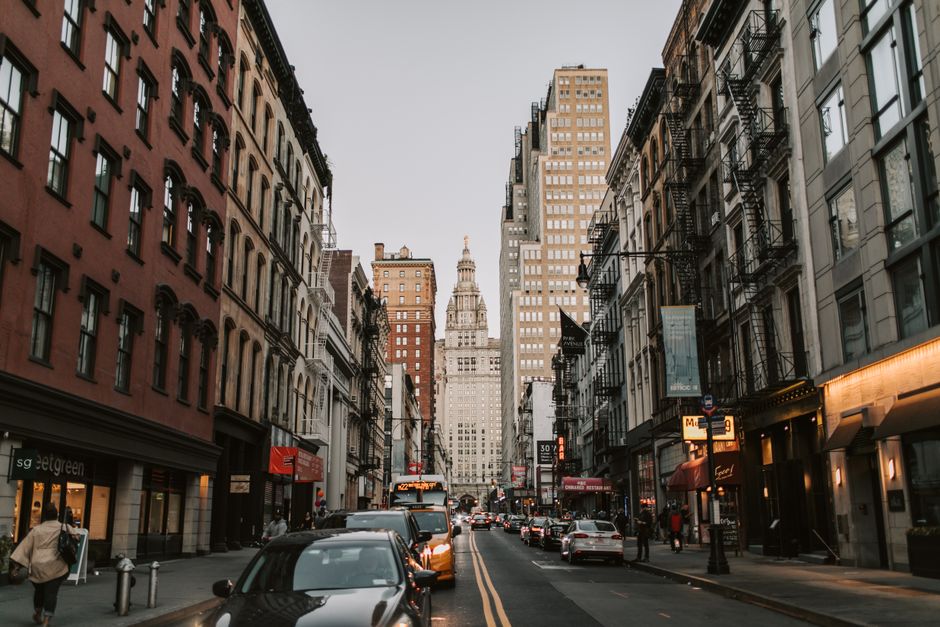
City officials this week began the full closure of Enghavevej between Vesterbro and Sydhavnen, marking the first phase of the much-criticized Metro expansion that has been debated in public meetings since 2019. The corridor, a key route for both cyclists and delivery vans, will be inaccessible for at least 18 months, with detour signage going up Thursday morning and contractors from MT Højgaard moving in heavy equipment—bringing years of planning to a head for residents, commuters, and small businesses.
The move is the latest chapter in a series of local developments that have reshaped Copenhagen’s civic debates in 2026. Questions about urban livability, affordable housing and access, and the city’s famously green transportation priorities have collided in new ways this summer, as Metro construction dovetails with a new city council agreement on rental price caps and a clampdown on short-term Airbnb listings across Indre By and Nørrebro.
After a Decade of Debate: Infrastructure, Rentals, and Resistance
Much of the present urgency stems from the long tail of population growth and housing strain that began before the pandemic. By 2025, Copenhagen reached a record population of 820,000—up over 13% from 2015. Major districts like Østerbro and Amager have seen modern developments pop up alongside soaring rent prices, with the median rent for a two-bedroom flat in Islands Brygge now standing at 15,300 kroner per month, according to Boligportal data.
Concerns about accessibility and local displacement have powered resident turnouts at meetings in old community centres like Kulturhuset Indre By and have catalyzed activism along Sønder Boulevard, where grassroots groups like Lejernes LO have called for a halt to new demolitions and aggressive redevelopment. Meanwhile, the city’s 2026 ban on individual room Airbnb rentals across Copenhagen Municipality only underscores how policy is catching up to lived reality. The ban was announced by the technical and environmental mayor’s office after city council estimates suggested over 8,000 homes were being offered as short-term lets, driving up prices and hollowing out whole stairwells of apartments in Nansensgade and Istedgade.
The Numbers Behind the Shifts
Underlying these battles are the facts on the ground: from January through June 2026, Copenhagen’s Department of Urban Planning issued 112 new permits for large construction projects—up 22% compared to the first half of 2025. Meanwhile, figures from Cyklistforbundet show bicycle traffic on central arterials has dropped 8% year-on-year, an uncommon dip that analysts attribute directly to redirection caused by Metro works at Kongens Nytorv and emerging gridlock around Vesterport Station.
Meanwhile, Copenhagen’s ambitious climate spending—funded partly from increased parking fees (now starting at 38 kroner per hour in Indre By) and municipal green bonds—has accelerated installation of protected bike lanes in outer districts, in hopes of winning back some of the city’s lost cycling share. But the underlying tension—between growth, equity, and the daily experience of renting or navigating the city—remains as present at the new Metro dig on Enghavevej as it is in city council chambers at Rådhuspladsen.
Looking ahead, city officials advise residents in Vesterbro, Sydhavnen, and Valby to expect increased travel times and recommend use of S-tog connections from Dybbølsbro while Metro construction continues. The technical and environmental office has promised updated project briefings every six weeks, with the next community info night slated for July 25 at Absalon Church. Rental reform measures remain under heated debate, with updated council votes likely before the end of August. Watch The Daily Copenhagen for continuing coverage as the city’s choices play out block by block.