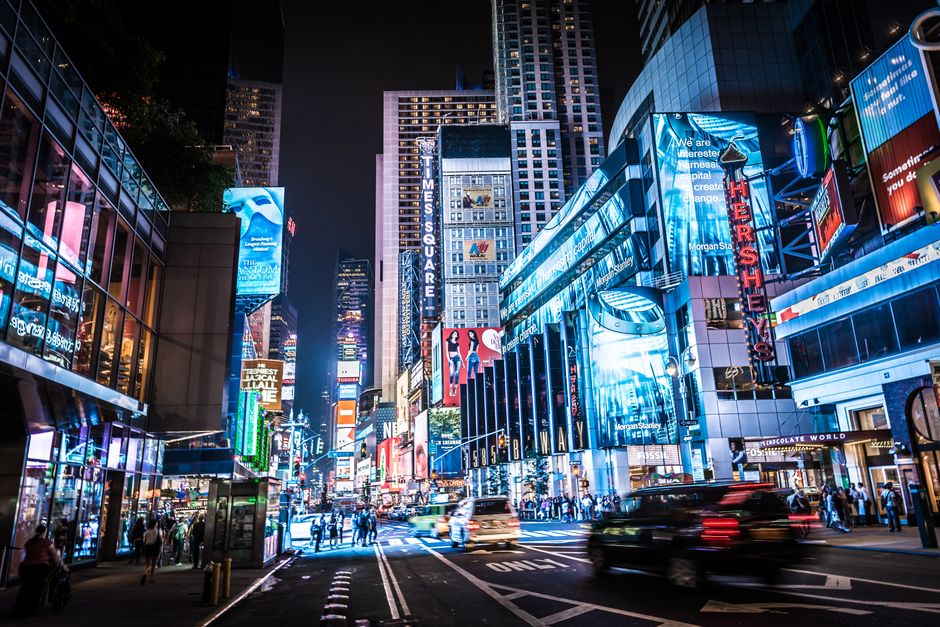
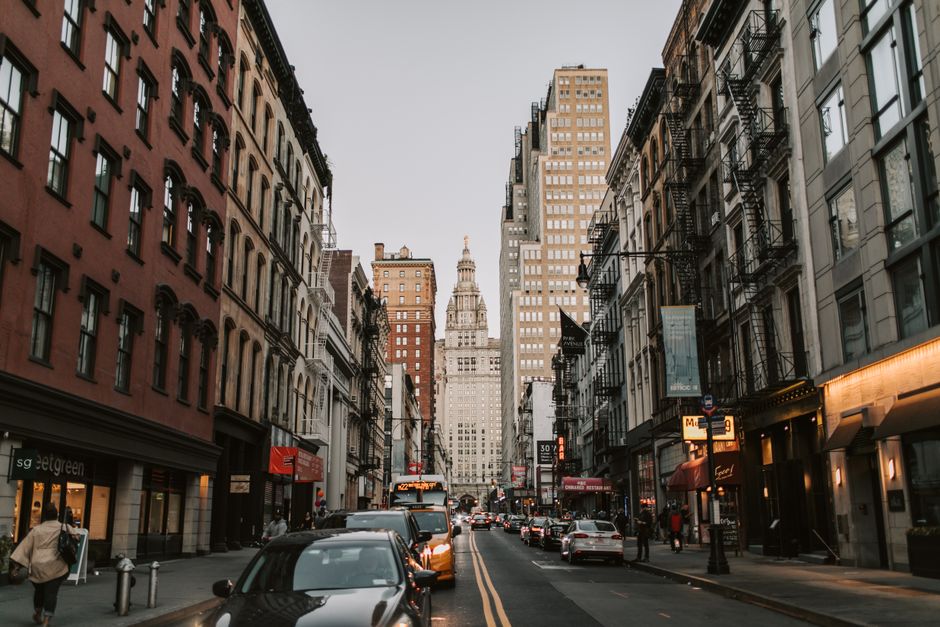
Copenhagen's municipal communications apparatus is sitting on a problem it can no longer quietly ignore. Across Teknik- og Miljøforvaltningen's planning portals, Ørestad's promotional materials, and the main Københavns Kommune website, the same handful of stock images — cyclists on Dronning Louises Bro, a predictable aerial of the canals near Christianshavn, the obligatory Nyhavn shot — appear dozens of times over, sometimes within the same page. The duplication is not cosmetic. It signals a deeper question about authenticity, procurement policy, and how public money is spent on visual identity.
The timing matters. Copenhagen is three years into its push to position itself as a model for liveable urban design under the ongoing Fællesskab København initiative, which runs through 2028. International media attention has never been higher — the city drew record visitor numbers in 2025, with Copenhagen City of Architectecture's own figures placing overnight stays at just over 10 million. When visitors and investors arrive expecting the nuanced, neighbourhood-specific city they researched online, and find that online identity built on interchangeable imagery, the credibility gap becomes a policy problem, not just an aesthetic one.
What the Current System Looks Like — and Where It Breaks Down
The municipality currently licenses images through a patchwork of agreements with international stock libraries alongside a smaller pool maintained by the city's own photo unit, Foto København. Individual departments — from Børne- og Ungdomsforvaltningen to the climate secretariat — make separate procurement decisions, which is precisely how duplication takes root. A spokesperson for a given department may pull the same Shutterstock image of a child on a cargo bike that three other departments pulled six months earlier, with no central registry flagging the overlap.
This is not a trivial expense. Municipal image licensing across comparable northern European administrations typically runs into six figures annually when aggregated across departments. Copenhagen has not published a consolidated figure for its total image spend, but budget documents for 2025-2026 allocate internal communications funding across at least seven separate administrative units, each with discretionary line items that cover visual content. Without a single procurement framework, savings go unrealised and brand coherence suffers.
Locally, the problem is visible in the contrast between polished districts and neglected ones. Vesterbro and Nørrebro — neighbourhoods that have undergone significant physical change since the Superkilen park opened in 2012 — are routinely represented online by images that predate their current character. Amager Øst barely appears at all in official materials despite hosting major infrastructure projects linked to the Lynetteholm development.
The Decisions That Will Define What Comes Next
Three choices now sit on the table at Rådhuspladsen. First, the city must decide whether to create a centralised image asset management system — effectively a curated internal library with mandatory use requirements — or continue with the decentralised model. A centralised system would require upfront investment, likely in the range of 1.5 to 2.5 million kroner for software licensing and a dedicated curator post, but would reduce duplicative external licensing costs over a three-to-five year horizon.
Second, Teknik- og Miljøforvaltningen is expected to table a proposal before the end of Q3 2026 on commissioning neighbourhood-specific photography under a new framework agreement with Danish photographers, potentially routed through Dansk Fotografisk Forbund. That proposal will force a conversation about how geographic representation gets prioritised — whether Sydhavn and Valby receive the same visual investment as Frederiksberg-adjacent areas that already photograph well.
Third, and most consequential for residents, is the question of public participation. Several boroughs in Amsterdam and Hamburg have moved toward crowd-sourced image banks vetted by municipal editors — a model that keeps imagery current and community-rooted without ballooning procurement budgets. Copenhagen's own Lokaludvalg network, which operates in all ten districts, could serve as a natural infrastructure for that kind of distributed contribution, if the political will exists to formalise it.
The next formal review point is the Økonomiudvalget meeting scheduled for late September 2026, where communications budget allocations for 2027 will begin to take shape. Advocates for a reformed image policy have until then to make the case that what appears to be a minor administrative tidying exercise is actually a question about whose Copenhagen gets seen — and whose disappears into a folder of unused stock.