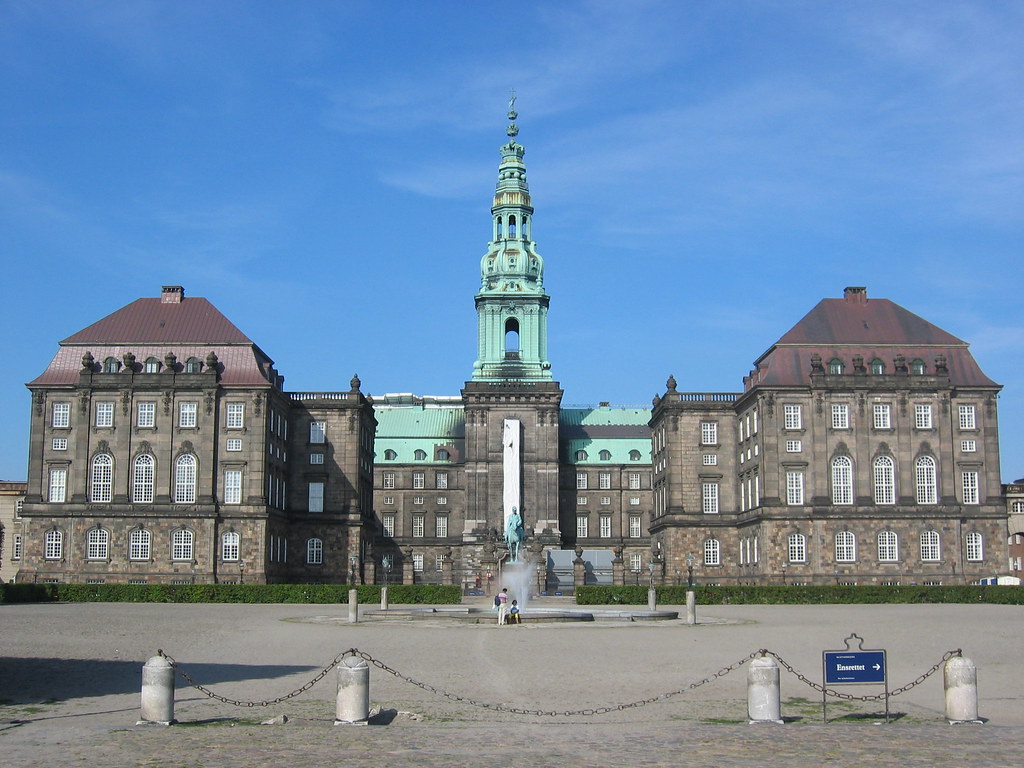
The Copenhagen municipal government has introduced a new state legislature bill tracker aimed at providing residents with timely updates on the progress and expected impact of recent and pending laws. The tool will track bills ranging from housing regulations to transportation funding, clarifying when changes will take effect and how they will affect daily life in Copenhagen.
This development comes as the state legislature enters a period of heightened policy activity, with over 120 bills relevant to urban infrastructure, social services, and environmental programs currently under consideration. Municipal officials note the tracker is intended to increase transparency and reduce lag between state decisions and local awareness.
What This Means for Copenhagen Residents
Residents can expect more precise information on upcoming legislation such as the new affordable housing regulations, which mandate gradual rent adjustments starting in January 2027, and expanded public transit subsidies expected to reduce fares by up to 15% in mid-2027. The tracker will highlight these timelines, enabling renters and commuters to plan finances accordingly.
The tool also includes updates on changes to apprenticeship programmes administered by local vocational schools, which are scheduled for phased expansion beginning in September 2026. This will help job seekers and employers anticipate shifts in skill development opportunities that influence the local labour market.
Data Driving Local Policy Timing
The most recent Copenhagen municipal budget allocates 200 million Danish kroner to integrating state policy changes with local administrative systems over the next fiscal year, reflecting a commitment to operational readiness by mid-2027. Policy analysts highlight that the average delay between state enactment and effective local implementation has historically been 9 to 12 months, which the bill tracker aims to shorten.
By presenting clear schedules and adjustments, the tracker answers calls from community groups for improved communication around policy rollouts. For example, the new carbon emissions restrictions for small businesses will enter a consultation phase this autumn, with enforcement expected in the first quarter of 2027. Businesses will be able to follow these milestones directly through the platform.
Looking ahead, Copenhagen’s government plans to update the bill tracker weekly, empowering residents and local organisations to identify opportunities and challenges as legislation advances. The system will be accessible via the official municipal website starting July 15, 2026, accompanied by public information sessions in community centres across the city.
This initiative reflects an evolving approach to governance focused on citizen engagement and anticipatory planning, offering Copenhagen residents clearer insight into when and how state policies will intersect with their everyday experiences.