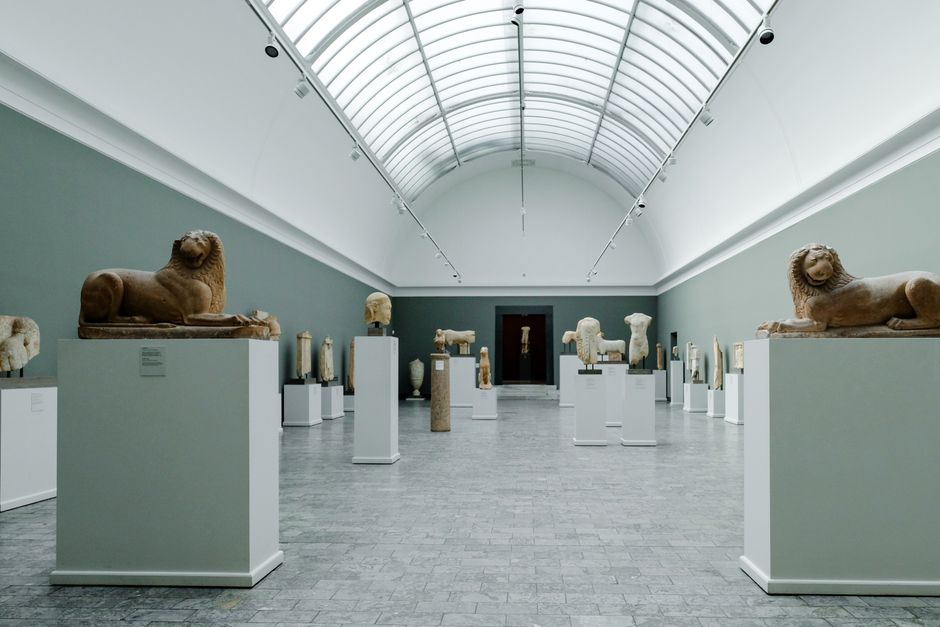
Copenhagen's cultural calendar for July looks different this year. The shift isn't happening at the Royal Danish Theatre or the Ny Carlsberg Glyptotek, though both institutions continue their regular programming. Instead, a wave of community-driven cultural initiatives is redefining what residents expect from summer arts in the Danish capital.
The timing matters. Across Europe, cities are grappling with fragmentation—political instability in neighboring countries, economic pressures, and the lingering effects of recent climate crises. Copenhagen's response, according to local organizers, is to strengthen cultural bonds through initiatives that prioritize accessibility and collective participation over spectacle.
Where the Movement Is Happening
Vesterbro's Pumpehuset, the converted water pumping station on Ydre Vega Vej, has become a hub for experimental performance and community dialogue. The venue, which operates as both concert hall and cultural laboratory, is hosting weekly "Community Canvas" sessions throughout July where residents design public art installations. Entry runs 50 kroner, roughly a quarter the price of mainstream concert tickets in the city.
Across the harbour in Christianshavn, the collective known as Byens Kunstnergruppe—literally the City Artists Group—has claimed unused warehouse space near Dokørene for an open-studio model that operates 6 p.m. to midnight most nights this month. The space functions without formal ticketing; visitors contribute what they wish. The group's July focus centers on work responding to climate displacement and community resilience, themes that resonate as extreme weather continues affecting the continent.
Nørrebro's café culture has also shifted. The neighborhood's long-standing independent bookstores and coffee spots have begun hosting evening reading series and acoustic performances that blur the boundary between retail space and cultural venue. These aren't organized by major cultural institutions but rather by the proprietors themselves, creating what amounts to a decentralized calendar of cultural offerings.
Numbers Behind the Movement
According to data released by Copenhagen's Cultural Affairs Department last month, attendance at grassroots cultural events rose 34 percent year-over-year in the first half of 2026, compared to a 12 percent increase at traditional venues. The shift suggests residents are actively seeking participation-based rather than observation-based cultural experiences. Youth participation—defined as attendees under 30—accounts for 58 percent of grassroots event audiences, versus 41 percent at traditional venues.
Funding tells part of the story too. The city allocated 2.3 million kroner to community cultural initiatives in its 2026 budget, up from 1.8 million the previous year. Individual artists and collectives applied for these grants at nearly twice the rate of institutional venues, indicating genuine grassroots interest in developing alternative programming.
July's calendar reflects this: the major festivals that once dominated summer—the Copenhagen International Film Festival and the classical music season—still run, but they're now sharing attention with smaller, hyperlocal events. The Nørrebro Street Food Festival on July 18 includes live music from neighborhood musicians rather than touring acts. Tåsinge Plads hosts weekly outdoor dance sessions where locals teach each other styles ranging from West African rhythms to contemporary movement, free every Tuesday and Thursday.
For those interested in exploring this emerging scene, start with Pumpehuset's website for the Community Canvas schedule. Byens Kunstnergruppe posts updates on their Instagram account rather than through traditional media channels—a reflection of how these movements operate outside established institutions. The Nørrebro Kulturnatarbejde collective maintains an updated calendar of neighborhood events on a simple shared document accessible through their Facebook page.
Copenhagen's summer culture isn't abandoning its institutions. Rather, residents are actively building parallel ecosystems where art-making becomes a collective rather than consumptive act. What's driving this shift is partly economic—grassroots events are cheaper—but mostly philosophical. Organizers describe it as moving away from Copenhagen as a destination for imported culture toward Copenhagen as a place where residents actively generate meaning together. That distinction, subtle as it sounds, represents a genuine movement reshaping what summer culture means in the city.