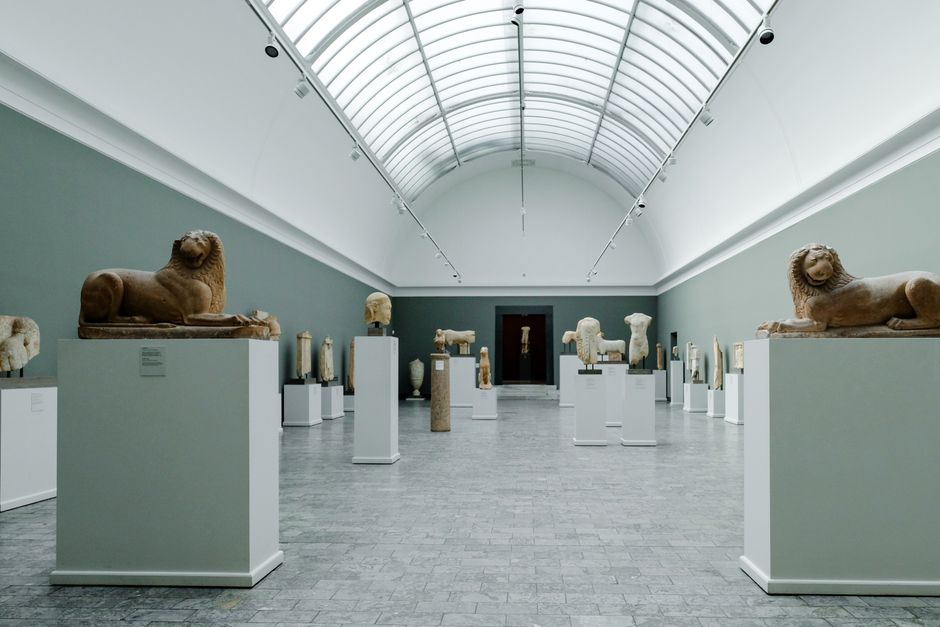
Copenhagen's summer calendar has never felt quite like this before. While Western Europe navigates record heatwaves, security threats, and economic headwinds, the city's arts institutions have quietly pivoted toward smaller, more resilient programming—a shift that curators say reflects both pragmatism and defiance in how they approach July 2026.
The change is visible in the numbers. The Statens Museum for Kunst, which sits at Sølvgade on the edge of Nørrebro, has reduced its July evening hours to Tuesday through Friday only, eliminating Saturday extended access that had run for four years. Meanwhile, independent venues across Vesterbro and Christianshavn have actually increased their programming, particularly theatre and performance art that reaches fewer people but requires less climate control—a practical response to the continent's documented energy constraints and the 2,025 excess deaths recorded in France during the recent heatwave peak.
The Venues Betting on Smaller Stories
Kunstnernes Experimentarium in Nørrebro has programmed seventeen artist residencies for July alone—a number that would have seemed wasteful three years ago but now reflects institutional thinking about distributed cultural labour. The organisation operates from a converted textile warehouse and has deliberately scheduled overlapping artists rather than sequential shows, forcing collaborations and reducing rental costs while keeping the space occupied and climate-controlled continuously.
Across the harbour in Christianshavn, independent collectives have launched pop-up programming in unused retail spaces along Wildersgade. One collective partnered with the local community garden network to stage three-hour salon performances—mixing live music, conversation, and free vegetables—in July. The economics work because overhead is split, and the cultural value appears doubled: audiences experience art and reconnect with their neighbourhood simultaneously. Entry costs DKK 75 (roughly €10) rather than the DKK 150-200 standard for seated performances.
The Cinemateket at Gothersgade 55 has expanded its July lineup by 30 percent while maintaining ticket prices at DKK 95. The archive-focused cinema is screening a season built on Nordic documentary from the 1970s-1990s—work that requires no new marketing spend, minimal climate demands, and speaks to audiences seeking historical continuity during unsettled months.
What Drives the Shift
Copenhagen's cultural sector employed roughly 12,400 people in 2024, according to the city's statistical bureau. July traditionally accounts for 18-22 percent of annual cultural attendance, partly because residents who normally travel during summer are staying home this year—a pattern repeat cities across Denmark are observing as energy costs climb and border uncertainties persist.
Programmers at the Operaen—the glass-fronted opera house on Holmen—made an explicit decision to extend rather than expand July offerings. Existing productions run additional matinees instead of mounting new premieres. The logic: established shows require no new set building (energy), existing crews move efficiently, and familiar titles draw steady crowds without requiring promotional spend during an economically fragile period.
What's striking is how many cultural workers are describing this as clarifying rather than constraining. "When you can't do everything, you discover what you actually need to do," one gallery director noted. The forced minimalism has exposed which cultural activities genuinely serve community versus which served mainly as institutional habit or filler programming.
July in Copenhagen will still deliver opera, cinema, theatre, and contemporary art. The difference is that this year's season was built by people asking harder questions about what those things are actually for—and who they're for. Check Billetnet or individual venues' websites for current programming. Booking early is sensible; several venues are operating at higher utilisation rates than usual as audiences consolidate their cultural spending into established venues.