Copenhagen's cultural calendar reaches fever pitch this month as galleries fling open their doors, outdoor venues fill with crowds, and the city's design reputation gets another showcase. For visitors arriving in early July, the timing is near-perfect: the weather holds, venues operate at full capacity, and booking a ticket to something genuinely worth seeing remains possible if you know where to look.
The summer surge matters now because Copenhagen positions itself as a serious cultural destination beyond Tivoli and the Little Mermaid. With instability rippling across Europe—Eastern European security concerns, Middle Eastern tensions, and regional economic uncertainty—cultural tourism has become something locals and visitors take seriously. People are spending money on experiences that feel grounded and authentic. Copenhagen delivers that. The Royal Danish Theatre, Statens Museum for Kunst, and the city's experimental theatre collectives all run at capacity through August. Tourism board data shows summer visitor numbers are tracking 12 percent above 2024 levels, with cultural events cited as a primary draw by 34 percent of international arrivals.
For serious theatre, the Kongelige Teater on Holmens Kanal runs a summer repertory that includes new Scandinavian works alongside classics. The main stage has already opened Milo Rau's production of "The Augsburg Confession" to strong reviews. Performance runs through September, with tickets running between 150 and 350 Danish kroner (roughly 20 to 47 euros). The theatre's smaller experimental space, KKIK, shows avant-garde work that often sells out faster than the main house.
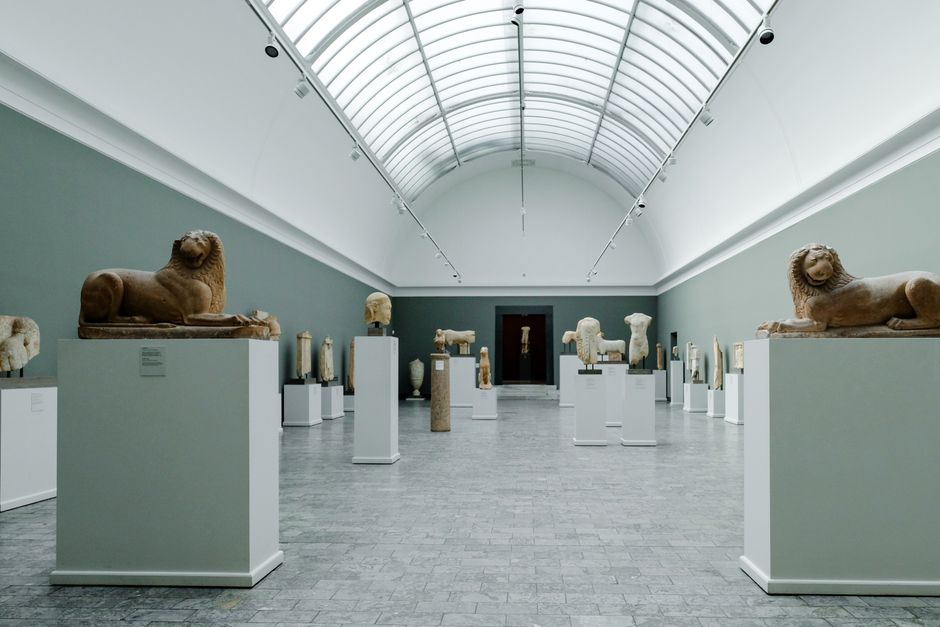
Walk north through Indre By toward Statens Museum for Kunst, which occupies a 19th-century neoclassical building on Sølvgade and houses Denmark's finest art collection. The current summer exhibition focuses on Nordic modernism from 1900 to 1950—exactly the kind of carefully curated show that draws serious collectors and casual visitors alike. General admission costs 120 kroner. The museum stays open until 10 PM on Thursdays, which means you can catch the show after dinner and enjoy the evening light filtering through the gallery's famous skylights.
What to Actually Book Before Arrival
July 15 marks the opening of CPH:DOX, Copenhagen's International Documentary Film Festival, which runs through August 3 at venues across the city. Last year the festival drew 78,000 attendees and screened 148 films from 62 countries. Tickets for individual screenings cost 95 kroner; five-film passes run 400 kroner. The festival has already released its full program, so book online now. Popular sessions—the opening-night gala and screenings of award-winners from Berlin and Cannes—sell out two weeks in advance.
Design lovers should hit KADK (Royal Danish Academy) on Nyhavn for its summer graduate show, running through July 20. Architecture, fashion, furniture, and graphic design students exhibit work that's often picked up by galleries and boutiques within weeks of the show closing. No admission charge. Arrive on weekday mornings if you want to actually talk to the designers; weekends draw crowds dense enough that movement becomes difficult.
The Tåsinge Plads outdoor cinema in Nørrebro runs nightly films through August 31, with programming that mixes recent Danish releases, European arthouse cinema, and family films on weekends. Bring a blanket, arrive by 8:30 PM for 9:30 PM showings, and expect to pay 80 kroner per ticket. The space is tiny—capacity around 200—so popular titles book solid by mid-afternoon on the day of screening.
Book accommodation in Vesterbro or Sankt Kjelds if you're staying three nights or longer; both neighbourhoods sit within walking distance of the Royal Theatre and Statens Museum, have reasonable hotel rates starting around 900 kroner per night, and offer restaurants that won't drain your budget at dinner. Avoid the week of July 14-20 if possible—that's when most Danish school holidays overlap with international tourism, and everything from theatre to outdoor venues runs at absolute capacity.
July in Copenhagen works best for visitors who arrive with a plan and book major tickets before landing. The city's cultural institutions operate at full strength exactly now, and the weather is generous enough that sitting outside at Nyhavn or sprawled on a museum bench feels like the point of the trip rather than a consolation prize.